Friday, 13 March 2026

Don’t Be a Sinner, Be a Binner!

A campaign from That’s Green

Litter is one of the simplest environmental problems to solve, yet it continues to spoil our streets, parks, and countryside. 

That’s why That’s Green is encouraging everyone to remember one simple message:

Don’t be a sinner — be a binner!

Every day, small pieces of rubbish such as plastic bottles, food wrappers, drinks cans, and takeaway containers are dropped in public places when a bin may only be a few steps away. When waste ends up on the ground instead of in a bin, it can harm wildlife, block drains, and make our communities look neglected.

Using a bin, and recycling when possible, is a small action that makes a big difference.

Recycling helps reduce landfill waste, saves energy, and cuts the need for new raw materials. Something as simple as recycling an aluminium can or plastic bottle helps reduce environmental impact and keeps valuable materials in use.

Being a “binner” simply means taking responsibility for your rubbish. Carry it until you find a bin, recycle where facilities exist, and encourage others to do the same.

If everyone makes this small change, the results could be huge: cleaner streets, healthier wildlife, and a greener environment for everyone.

So next time you finish a snack or a drink, remember the campaign slogan:

Don’t be a sinner — be a binner.

https://www.wrap.ngo/take-action/love-food-hate-waste/food-waste-action-week

https://www.zerowastescotland.org.uk/resources/some-best-litter-prevention-campaigns-around-world

https://www.keepbritaintidy.org

https://www.hellorayo.co.uk/greatest-hits/entertainment/seasonal-events/great-british-spring-clean-england

Thursday, 12 March 2026

Peek-A-Bear! Rescued mum and dad wake baby bear following her first hibernation

One year on ‘The great bear rescue’ family successfully hibernate in Armenia.

A year ago, International Animal Rescue (IAR) took part in the rescue of three Syrian brown bears, Aram, Nairi and their young daughter Lola

Today, IAR are happy to report that the bears have successfully undergone their first-ever natural hibernation period in the sanctuary, thanks to the expert care they received following their rescue.

When their colleagues at the Foundation for the Preservation of Wildlife and Cultural Assets (FPWC) discovered Aram and Nairi confined to filthy cages in someone’s backyard in Yerevan, Armenia, they had suffered years of appalling abuse. 

The pair were denied even basic husbandry and Nairi was regularly bred with by the owner to produce cubs which were sold on.

Little girl bear Lola was kept imprisoned with them and her mother, having been born in captivity. This winter, after months of recuperating from their rescue at FPWC’s wildlife rescue centre with support from International Animal Rescue, all three of these bears have been able to undergo their first-ever proper winter rest periods – a sure sign that they have physically recovered from their ordeal and learned to trust that rescue teams will keep them safe.

Confined to filthy cages and denied even the most basic of care, the bears were discovered during an investigation by the Foundation for the Preservation of Wildlife and Cultural Assets (FPWC) following a public tip-off.

Their rescue saw FPWC and International Animal Rescue coming together to secure their freedom. Described by International Animal Rescue (IAR) as their “most difficult rescue to date”, it took over 12 hours. The rescue involved a court-ordered confiscation, police intervention, and transport under heavy rain and during darkness.

This difficult rescue started when the team arrived at the property at 9 am, but the bear’s owner refused entry despite a legal order. 

After a prolonged standoff, they finally gained access as night fell and worked into the night to sedate and remove the bears from their appalling conditions.

Alan Knight OBE, President of International Animal Rescue was on the ground to witness their their rescue.

Alan told That's Green: “This difficult rescue started when the team arrived at the property at 9 am, but the bear’s owner refused entry despite a legal order. After a prolonged standoff, they finally gained access as night fell and worked into the night to sedate and remove the bears from their appalling conditions. 

"These bears had clearly suffered for many years and these were some of the worst conditions I have ever seen. The stench, the filth, the sheer cruelty of locking these animals up in tiny cages."

Today, thanks to veterinary care and round-the-clock specialist care at FPWC’s wildlife rescue centre, just a few months after the rescue, all three bears have been able to settle into their new home. 

“To see them happy and healthy, knowing they have a future now, makes everything we went through worth it. Completing their first hibernation and exhibiting these natural behaviours is an incredible sight. We are so grateful to the FPWC team and all of our donors and supporters for making this a reality.”

Donate to the bear appeal here https://www.internationalanimalrescue.org/appeal/bearfamily.

Wednesday, 11 March 2026

Recycling Lives Services Reaffirms Purpose-Driven Mission with B Corp Recertification

Recycling Lives Services has secured recertification as a B Corporation, reinforcing its commitment to responsible business practices at a time when companies face growing scrutiny over the environmental and social impact of their supply chains.

The UK recycling and waste management provider achieved an impressive B Impact Score of 103.5, comfortably exceeding the 80-point threshold required for certification and more than doubling the median score of companies completing the assessment.

This coincides with B Corp Month, the annual global campaign celebrating businesses meeting high standards of social and environmental performance, transparency and accountability. The B Corp movement, led by B Lab, now includes over 10,000 certified organisations across over 100 countries and 160 industries, from multinational brands such as Danone and Patagonia to thousands of SMEs.

This year’s recertification arrives at a pivotal moment. In 2026, B Lab introduced the most significant update to the B Corp standards since their launch in 2006, replacing the previous flexible scoring model with a new framework requiring companies to meet mandatory performance thresholds across several impact areas.

Recycling Lives Services maintained its triple-digit score following assessment across key areas including governance, environmental performance and social impact.

Its business model combines commercial recycling operations with programmes designed to support people facing barriers to employment. Through its national infrastructure, Recycling Lives Services works with businesses across sectors like construction, infrastructure, manufacturing and retail, including Tier One contractors such as Amey and Wates.

Construction is one of the UK’s largest waste-generating sectors, increasing the need for transparent recycling systems and responsible materials management across major projects.

Environmental performance sits at the heart of the company’s operations. Recycling Lives Services currently achieves 97% diversion from landfill, delivering a 61% reduction in operational CO₂ emissions, and has processed over 12.5 million batteries for recycling.

Alongside environmental progress, it has developed a strong focus on social value. Its rehabilitation and employment programmes, particularly those supporting ex-offenders and individuals facing barriers to work, have helped thousands of people access training and employment opportunities. These initiatives have also contributed to lower reoffending rates among programme participants compared to the national average.

The recertification reflects a wider shift across industry supply chains. Businesses are increasingly expected to demonstrate measurable environmental and social impact alongside commercial performance, particularly as social value now carries a minimum 10% weighting in central government procurement and can reach 20–30% in some local authority frameworks.

Lucas Hargreaves, Projects Director at Recycling Lives Services, told That's Green that the certification represents more than a benchmark.

“B Corp certification provides an important benchmark for responsible business, but for us it reflects something deeper about how we operate. Our model has always been built on the idea that environmental performance and social impact should be embedded within commercial operations rather than treated as separate initiatives.”

Looking ahead, Recycling Lives Services plans to continue investing in circular economy infrastructure and programmes that link environmental performance with meaningful social outcomes, helping businesses partner with waste management providers capable of delivering both operational efficiency and genuine impact.

http://www.recyclinglives-services.com

Sunday, 8 March 2026

A Call for a National Clean-Up Campaign for Britain’s Roads and Railways

A call for a nationwide UK campaign to clean roadside and railway verges, bringing together councils, schools, businesses and charities to tackle litter and protect wildlife.

Across the UK, millions of people travel daily along our roads and railways. These routes form the arteries of the country, connecting communities, businesses and families. 

Yet many of the verges lining these vital corridors are increasingly blighted by litter. Plastic bottles, takeaway packaging, discarded cans, papers, boxes and other waste often accumulate in plain sight, creating an environmental and visual problem that affects both wildlife and national pride.

It is time for a coordinated nationwide campaign to clean up Britain’s roadside and railway verges, one that brings together local councils, schools, colleges, rail operators, businesses and charitable organisations in a shared mission to restore these spaces.

Why Verge Litter Matters

Roadside and railway litter is more than just unsightly. It poses real environmental risks.

Plastic and packaging can easily be blown or washed into waterways, contributing to the UK’s growing microplastic problem

Wildlife is also affected: birds, hedgehogs and other animals can become trapped in, injured or even killed by discarded waste. In agricultural areas, litter can even harm livestock when it ends up in fields.

Beyond environmental harm, litter also damages the perception of our communities. Visitors arriving by train or travelling along motorways should see the best of Britain, green landscapes, thriving nature and well-kept surroundings — not piles of waste.

A Nationwide Solution

Cleaning up roadside and railway verges cannot fall on one group alone. A nationally coordinated effort could transform the problem into an opportunity for community engagement and environmental education.

Local councils could organise scheduled verge clean-up days and provide equipment, waste collection and safety guidance. 

Schools and colleges could integrate clean-up activities into environmental education programmes, encouraging students to take pride in their local area while learning about sustainability.

Businesses could support the campaign through staff volunteering days, sponsorship of clean-up equipment or by “adopting” sections of roadside or railway verges (with co-ordination with rail authorities) near their premises. 

Charities and community organisations already experienced in environmental volunteering could help coordinate local events and recruit volunteers.

Education and Prevention

Cleaning up existing litter is only part of the solution. A successful campaign must also focus on prevention.

Public awareness campaigns, including signage along roads and stations, could highlight the environmental impact of littering. 

Schools and youth groups could play a key role in educating younger generations about responsible waste disposal and recycling.

When communities work together on visible projects like verge clean-ups, attitudes can change quickly. People are less likely to litter in areas that are clearly cared for.

A Greener Vision for Britain

Imagine travelling along Britain’s roads and railways and seeing clean, flourishing verges filled with wildflowers and wildlife habitats rather than discarded rubbish. With coordinated action, this vision is achievable.

A nationwide verge clean-up campaign would not only protect wildlife and improve landscapes, it would also strengthen community spirit and demonstrate a shared commitment to protecting the environment.

Britain’s roads and railways connect us all. By working together, we can ensure the land alongside them reflects the pride we have in the country we call home.

Organisations that you can contact are:-

https://www.keepbritaintidy.org

https://cleanupbritain.org

https://www.gov.uk/government/collections/keep-it-bin-it-anti-littering-campaign

https://capstone-news.ghost.io/the-best-anti-littering-campaigns-science

https://nationalhighways.co.uk/our-work/environment/litter-resource

https://www.litternet.org.uk

https://www.zerowastescotland.org.uk

https://kidsagainstplastic.co.uk/1millionlitterpick

Friday, 6 March 2026

MNB Spring Craft Market returns on 4 April 2026 at OOTB Drill Hall, Edinburgh

MNB is back for spring, and bringing a fresh wave of creativity with it. On Saturday 4 April 2026, the MNB Spring Craft Market takes over OOTB Drill Hall Edinburgh from 10:00am–4:00pm, inviting everyone to browse, chat, and fall in love with work that’s actually made by real artists and makers.

This year’s market is bursting with new energy: over half of the stall holders are first-time MNB traders, joining a carefully selected line-up of returning favourites.

 Expect a proper craft market experience, the kind where you can meet the person behind the work, hear the story, and leave with something meaningful (and beautifully made).

Thoughtful curation, lighter footprint

MNB is a community interest company with curation at its core, and that includes what things are made from, not just what they look like. Across the stalls you’ll find a strong focus on eco-friendly materials, recycled and upcycled pieces, and makers choosing more sustainable processes wherever possible. If you’re looking for small-batch goods with care stitched, poured, carved, printed or painted into them, you’re in the right place.

And just to be crystal clear: no drop-shippers, no mass-produced imports, and no AI-generated “craft” filler. This is all things handmade, by people who do the work.

Welcoming, accessible, and sensory-friendly, too.

The market is designed to be easy to enjoy, whether you’re popping in for a quick browse or making a day of it:

Sensory Hour: 10:00–11:00am (a calmer start to the day)

Accessible venue at OOTB Drill Hall Edinburgh

Pet friendly (bring your well-behaved pals along)

Food and drinks available from the Drill Hall Café

Tickets: Entry is free, but tickets should be booked in advance. Free entry tickets are available on Skiddle

https://www.skiddle.com/whats-on/Edinburgh/Out-Of-The-Blue-and-Drill-Hall-Arts-Cafe/MNB-Spring-Craft-Market/41949979/

https://mnb-scotland.co.uk/

Wednesday, 4 March 2026

Saving Loch Lomond? - Loch Lomond conservation charity forced to withdraw litter bins.

A spokesman for the independent conservation charity Friends of Loch Lomond and the Trossachs told That's Green: "As Ross Greer trumpets that his Green Party has, “saved Loch Lomond”, we must announce we can no longer sustain our “Keep the Banks Bonnie” litter management scheme."

The charity’s Chairman, John Urquhart, said: “Five years ago, in an effort to better manage the dreadful littering of the A82 along Loch Lomondside the Friends used a “Covid Recovery” grant to install 20 litter bins in laybys between Arden and Tarbet.

"Since then annual management and servicing costs of around £30k (inclusive of a 12.5% increase from the service provider in 2026) have been met by local businesses, plus some limited support from the National Park and Argyll and Bute Council, but it has been proving more and more difficult to raise the business sponsorship necessary to keep the scheme going and this year’s refusal by the National Park and Argyll and Bute to give any support at all means we have had to withdraw it."

(The map shows the businesses which have supported the scheme in the past, most notably Luss Estates Co., which has always borne the lion’s share of the sponsorship burden.)

He went on to say: "We are very disappointed that Argyll and Bute Council and the National Park were not prepared to make any contribution to our efforts to help them discharge their duty to keep the A82 clear of litter. 

"Splitting the cost three ways, a contribution of only £10k each from Argyll and Bute and the National Park would have secured the scheme for another year and would have represented good value for the public purse. Of course, if they would shoulder the job themselves, it would cost so much less. Reluctantly, the decision was made on Monday to remove the bins from service as the financial burden on the charity became unsustainable.”

https://www.lochlomondtrossachs.org.uk

Hope Spring completes first borehole project in Northern Nigeria

Hereford-based water poverty alleviation charity, Hope Spring Water, has announced the completion of its first borehole project of 2026 and its first-ever clean water initiative in the northern part of Nigeria.

In a blog post published on the charity’s website, spokesperson Bolu Olorunfemi confirmed the milestone, stating: “We are pleased to announce the completion of the Akwanga project

"The community is delighted to have their very own clean water on tap for the very first time in their history.”

The charity is funded entirely by donations from supporters. Among the initiatives supporting its work is its digital platform, Hope Spring eCards, which enables supporters to send electronic greeting cards for occasions such as birthdays and seasonal celebrations. The organisation noted that engagement with sections such as the March birthday eCards has contributed to its broader fundraising efforts.

The newly completed borehole project in Akwanga represents a significant development for the community, where access to safe and reliable drinking water has historically been limited. For many residents, clean water has meant long walks to distant sources, reliance on seasonal streams, or the use of untreated water that carries health risks. The installation of a functioning borehole now changes that reality in a practical and immediate way.

Access to clean water is widely recognised as one of the most critical foundations for public health, education, and economic stability. Without it, communities often face recurring outbreaks of waterborne diseases, reduced school attendance among children tasked with fetching water, and limited opportunities for small-scale agriculture or local enterprise.

Hope Spring Water, based in Hereford in the United Kingdom, has been working with water-poor communities in West Africa for more than a decade. Over the years, the charity has supported the drilling of boreholes, rehabilitation of broken water systems, and implementation of community-led water management structures designed to ensure long-term sustainability.

According to the organisation, the Akwanga project is particularly significant because it marks the charity’s first clean water intervention in northern Nigeria. While Hope Spring has previously delivered projects in other parts of West Africa, expanding into northern Nigeria reflects a strategic effort to reach underserved regions where the need for safe water infrastructure remains acute.

Community engagement formed a central part of the project’s implementation. Local leaders and residents were involved throughout the planning and execution stages, helping to identify the most suitable site for the borehole and establishing basic management arrangements to safeguard the facility. This participatory approach, the charity says, helps foster a sense of ownership and responsibility within beneficiary communities, increasing the likelihood that the water system will be properly maintained over time.

While the eCard platform is one of several funding channels, the charity stresses that all proceeds are directed toward water poverty alleviation projects. Supporters who choose to send eCards are, in effect, contributing to the delivery of tangible infrastructure such as the Akwanga borehole.

For residents of Akwanga, however, the impact is measured less in fundraising mechanisms and more in daily life. Clean water on tap means children can spend more time in school rather than walking long distances to fetch water. It means reduced exposure to contaminated sources and the illnesses that often follow. It means households can plan their days with greater certainty, knowing that a reliable supply of safe water is available within their community.

The completion of the borehole also signals the beginning of a new phase rather than the end of a project. Ongoing monitoring and community coordination will be essential to ensure the system continues to function effectively. Hope Spring Water has indicated that it will maintain communication with local contacts to track usage and address any technical challenges that may arise.

As 2026 progresses, the charity says it fully intends to build on this milestone with additional projects aimed at reaching other water-poor communities. 

For now, the successful completion of the Akwanga borehole stands as a clear example of how targeted intervention, sustained donor support, and local collaboration can come together to deliver meaningful change.

For Hope Spring Water and the community it has served, the message is straightforward: access to clean water is not a luxury, but a necessity, and in Akwanga, it is now a reality.

https://www.hopespring.org.uk

Tuesday, 3 March 2026

World Plant Power Day: Why Going Greener on Your Plate Matters More Than Ever

Celebrate World Plant Power Day with That’s Green as we explore how plant-based choices support sustainability, reduce carbon emissions and help create a greener future for our planet.

Every year, World Plant Power Day shines a spotlight on the power of plants, not just as food, but as a force for environmental change, better health, and more sustainable living.

For readers of That’s Green, this is more than a food trend. It’s a reminder that small shifts in what we grow, buy and eat can have a measurable impact on the planet.

What Is World Plant Power Day?

World Plant Power Day celebrates plant-based living and encourages people to explore how plants can support a healthier lifestyle and a healthier Earth. It’s not about forcing everyone to become vegan overnight, it’s about recognising the environmental and ethical benefits of increasing plant-based choices.

Whether that means a fully plant-based diet, cutting back on meat once or twice a week, or simply discovering new vegetables you’ve never cooked before, every step counts.

The Environmental Impact of Plant-Based Eating

Food production has a significant environmental footprint. Animal agriculture in particular contributes to greenhouse gas emissions, water consumption and land use pressures.

Shifting towards more plant-based meals can:

Reduce carbon emissions

Lower water usage

Decrease deforestation pressures

Support biodiversity

Reduce food waste when planned properly

In the UK, where climate conversations are increasingly mainstream, making greener food choices is one of the most accessible ways households can reduce their environmental footprint.

Plant Power and Climate Action

According to the United Nations, global food systems are responsible for a significant share of greenhouse gas emissions. Plant-rich diets are regularly highlighted as part of climate mitigation strategies.

You don’t need to overhaul your life overnight. Try:

Meat-Free Mondays

Swapping dairy milk for oat or almond alternatives

Using lentils or mushrooms to bulk out mince dishes

Growing herbs or salad leaves at home

Even small adjustments, when multiplied across millions of households, can create meaningful change.

Supporting Local and Seasonal Produce

Choosing plant-based foods can also mean choosing local.

Shopping at farmers’ markets, greengrocers, and local veg box schemes reduces transport emissions and supports regional growers. Seasonal British produce — from spring asparagus to autumn squash — often has a lower environmental footprint than imported alternatives.

World Plant Power Day is the perfect excuse to explore what’s in season where you live.

It’s Not All or Nothing

One of the biggest myths about plant-based living is that it must be extreme. In reality, flexible approaches like “flexitarianism” are becoming increasingly popular.

If you’re used to a traditional Sunday roast, try introducing a plant-based version once a month. Nut roasts, mushroom Wellington and lentil shepherd’s pie are satisfying alternatives that don’t feel like a sacrifice.

Progress, not perfection, is what matters.

Beyond the Plate

Plant power isn’t limited to food. It also includes:

Growing pollinator-friendly flowers

Supporting rewilding projects

Composting kitchen scraps

Reducing packaging through loose produce

The more we reconnect with plants, whether in gardens, window boxes or on our plates, the more resilient our communities become.

How to Mark World Plant Power Day

Here are some practical ideas:

Cook one fully plant-based meal.

Try a new vegetable you’ve never eaten before.

Visit a local greengrocer instead of a supermarket.

Start a small herb pot on your windowsill.

Share your plant-based creations on social media to inspire others.

A Greener Future Starts at Home

World Plant Power Day is a reminder that sustainability doesn’t always require dramatic lifestyle change. Sometimes it begins with something as simple as choosing beans instead of beef, or planting basil in a recycled pot.

For readers of That’s Green, it’s another opportunity to celebrate practical, achievable environmental action — one plate, one garden, and one community at a time.


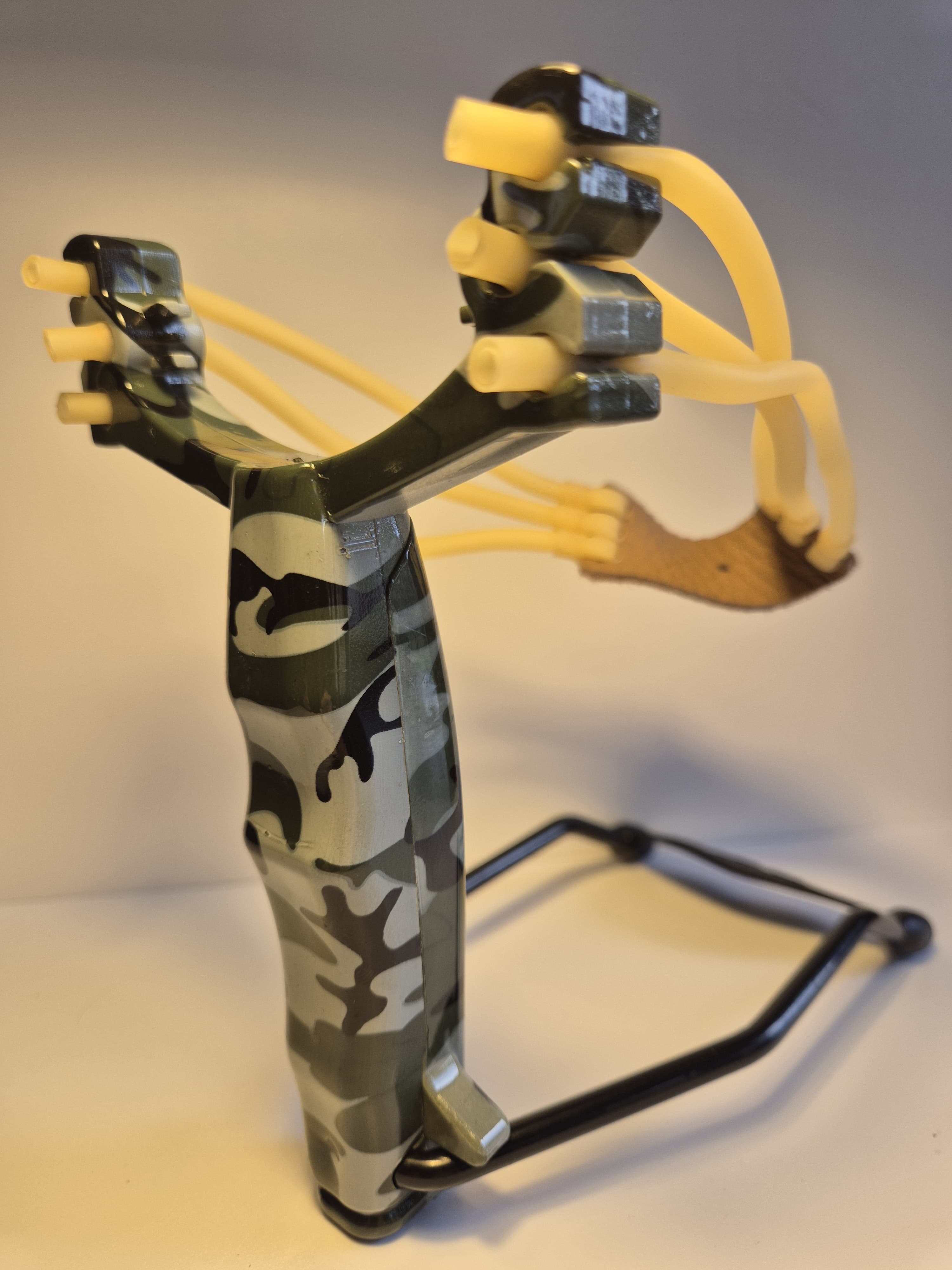
Children Can Legally Buy Weapons Used to Kill Wildlife, MPs Warned

MPs have been warned that anyone, including children, can legally buy weapons capable of killing wildlife, as a legal loophole allows catapults and slingshots to be sold cheaply and without restriction across England and Wales.

The warning was issued during a Parliamentary briefing hosted by Naturewatch Foundation, which highlighted growing evidence that catapults are being deliberately misused to injure and kill wildlife, damage property and intimidate rural communities. 

Despite their potential to cause serious harm, catapults remain completely unregulated in England and Wales, with no minimum age for purchase and no meaningful controls on sale or power.

Naturewatch Foundation warned MPs current legislation leaves police and communities powerless to act. 

Officers are unable to confiscate catapults unless another offence has already been committed, and incidents involving catapults are not recorded as a specific crime. 

This means the true scale of wildlife harm, antisocial behaviour and community impact is significantly underestimated. The event room in Parliament was kindly sponsored by Max Wilkinson MP.

“These items being sold are not toys and it is not harmless mischief,” Jim Clark, Wildlife Crime Campaign Manager at Naturewatch Foundation told That's Green.

“Modern catapults are capable of lethal force. Legislative failure to tackle this issue is costing wildlife their lives, traumatising communities and putting unnecessary pressure on already overstretched police forces. It’s a loophole that urgently needs closing.”

Wildlife rescue centres across the UK continue to report rising numbers of injured and killed animals, including swans, birds, hedgehogs, squirrels and domestic pets, many believed to have been deliberately targeted using catapults and crossbows.

At Vale Wildlife Hospital & Rehabilitation Centre, birds accounted for 50 of 53 wildlife shooting victims treated in the years 2023-2025, though the centre warns the true scale is likely far higher, with thousands of cases recorded as “unknown trauma”.

Calls for Change

Alongside the Parliamentary briefing, Naturewatch Foundation has launched a public petition calling for catapult sales to be restricted to over-18s, urging both government action and greater responsibility from major retailers.

The petition calls on the Policing Minister, Sarah Jones MP, to support legislation closing the loophole that allows catapults to be sold without restriction, while also pressing retailers to introduce immediate voluntary age checks and remove high-powered catapults from toy and sports categories.

“Retailers have the power to act now, even before the law changes,” Jim Clark added. “When a leading retailer continues to sell unregulated weapons to anyone of any age, it enables harm that is entirely preventable.”

Some retailers are taking voluntary steps ahead of legislation. For example Gumtree, one of the UK’s largest marketplaces for local buying and selling, now prohibits the sale of catapults and slingshots on its platform, following campaigning from Naturewatch Foundation.

Andy Harper, CEO of Gumtree, stated: “Animal cruelty has no place in society, and we are committed to ensuring our platform is not used to facilitate the sale of items that could contribute to such harm.’’

Naturewatch Foundation is campaigning for:

The introduction of an age restriction of 18+ for purchasing catapults and slingshots

Exploration of sales controls similar to those used for knives and air weapons

Prevention of sales of ultra-high-powered devices marketed irresponsibly for “hunting”

Improvement of crime recording to accurately capture catapult-related offending

Naturewatch Foundation stressed that catapult misuse is not a niche issue: Wildlife crime linked to catapults is widespread but underreported; damage to livestock, pets, vehicles and property is increasing; wildlife deaths undermine conservation efforts and local tourism and public support for stronger wildlife protection is consistently high.

naturewatch.org

The Name's Changed But the Aim is the Same. Open Cages is Now Anima

The UK animal charity Open Cages has rebranded to Anima, reflecting its global identity as Anima International.

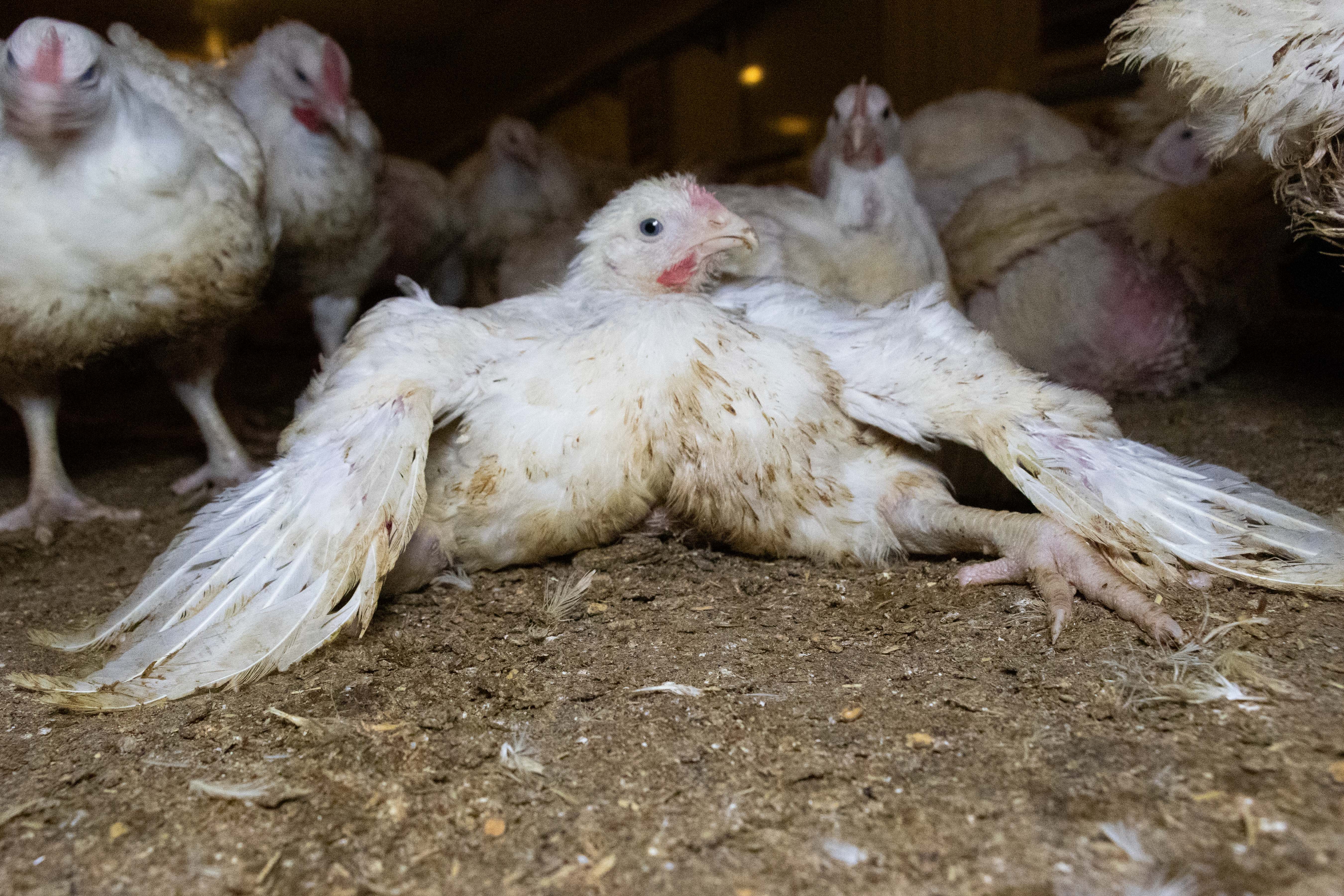
The change comes as Anima prepares to invest “more resources than ever” into its campaign to end the use of fast-growing “frankenchickens” in the UK.

The announcement follows major recent wins for Anima, including Poland’s fur farming ban and a world-first decision in Norway to phase out fast-growing chickens completely.

The UK is one of Europe’s largest chicken producers, with over 90% of chickens bred to grow at unnaturally fast rates, commonly leading to severe welfare problems, including chronic pain, lameness, and sometimes even heart attack. Anima International has identified the UK as a key strategic priority in its efforts to reduce animal suffering.

Commenting on the rebrand, Connor Jackson, CEO of Anima, told That's Green: “The breeding of fast-growing chickens represents one of the biggest sources of animal suffering in the world, and it’s a practice that is out of step with public sentiment.

"As a result, a transition is already happening in countries such as Norway, the Netherlands, Denmark and Germany. Our mission to achieve this in the UK hasn’t changed; we’re preparing to devote more resources than ever to this fight.

"Our new identity reflects our increasing focus on Britain as a priority for our entire organisation, given the snail’s pace at which we are solving this animal welfare crisis.”

Waitrose is the only major UK company to have totally phased out fast growing chickens, branding the practice an “animal welfare crisis.” M&S has done it for 30% of its products. KFC, Nando’s and several other restaurants recently abandoned their commitments to make the change. Whilst companies such as Pret and Greggs are yet to follow through on their commitments.

Anima International is a global animal advocacy organisation with six national groups, and two decades of experience working to end animal suffering. Now operating as Anima in the UK, the organisation plans to launch its largest UK campaign to date later this year.

anima.org.uk

Monday, 2 March 2026

Major Online Marketplace Bans Catapult Sales in ‘Win for Wildlife’ say campaigners

A major online marketplace has banned the sale of catapults and slingshots in a move hailed as a “win for wildlife”, as pressure mounts on other retailers to follow suit ahead of a Parliamentary briefing next week.

Animal welfare charity Naturewatch Foundation has warmly welcomed the stance taken by Gumtree, which prohibits the sale of catapults and slingshots on its platform, citing concerns over their cruel misuse in the  harming of animals.

The announcement comes as MPs prepare to hear new evidence next week surrounding catapult misuse.

Modern high-powered catapults can inflict lethal injuries and have been linked to attacks on swans, birds, hedgehogs, squirrels and domestic pets. Yet in England and Wales, they remain completely unregulated, with no minimum age for purchase and no controls on sale.

Andy Harper, CEO of Gumtree, told That's Green: “Gumtree does not permit the sale of catapults or slingshots. 

"Both are prohibited under our policies and any listings identified are removed. We support concerns regarding the cruel misuse of these items to harm animals.”

He added: “Animal cruelty has no place in society, and we are committed to ensuring our platform is not used to facilitate the sale of items that could contribute to such harm.”

Gumtree also confirmed its support for stronger safeguards to prevent dangerous items being misused and to ensure they are not accessible to children.

Naturewatch Foundation says the decision demonstrates that immediate action is achievable and is urging other retailers to act now rather than wait for legislation.

Jim Clark, Wildlife Crime Campaign Manager at Naturewatch Foundation, told us:  “This is a real and meaningful win for wildlife, and for simple common sense. Gumtree has shown genuine leadership by becoming one of the first major platforms to recognise the devastating impact that the misuse of catapults is having on wildlife. 

"By taking this bold and ground-breaking step, they are setting a powerful example for others to follow"

Wildlife rescue centres across the UK continue to report animals suffering catastrophic injuries consistent with catapult attacks. Police are often unable to intervene unless another offence has been committed, and incidents are not recorded as a specific crime, meaning the true scale of harm remains hidden.

Next week’s Parliamentary briefing, hosted by Naturewatch Foundation, will highlight growing evidence of catapult misuse and call for stronger safeguards.

Alongside calls for legislative reform, the charity is urging retailers to:

Introduce voluntary age restrictions on sales

Remove high-powered catapults from toy and sports categories

Prevent the marketing of devices for “hunting” wildlife

Jim Clark added: "These weapons can cause immense suffering, yet they remain cheap, easily accessible, and largely unregulated. 

"Gumtree’s decision acknowledges that this is not just a retail issue, but a responsibility issue. Other retailers should act now and follow their lead; our wildlife and our communities simply cannot afford any more delay or inaction”

Public support for stronger wildlife protection remains high, and campaigners hope Gumtree’s stance will encourage industry-wide action.

naturewatch.org 

World Wildlife Day Warning: as rescued baby bear Lissy sends a stark message about vigilance against the wildlife trafficking trade

The dancing bear trade ended in 2009, so this World Wildlife Day, 3rd March, why are we writing about another bear cub rescued in recent months? 

Progress has been made, but poachers persist in the wildlife trafficking trade.

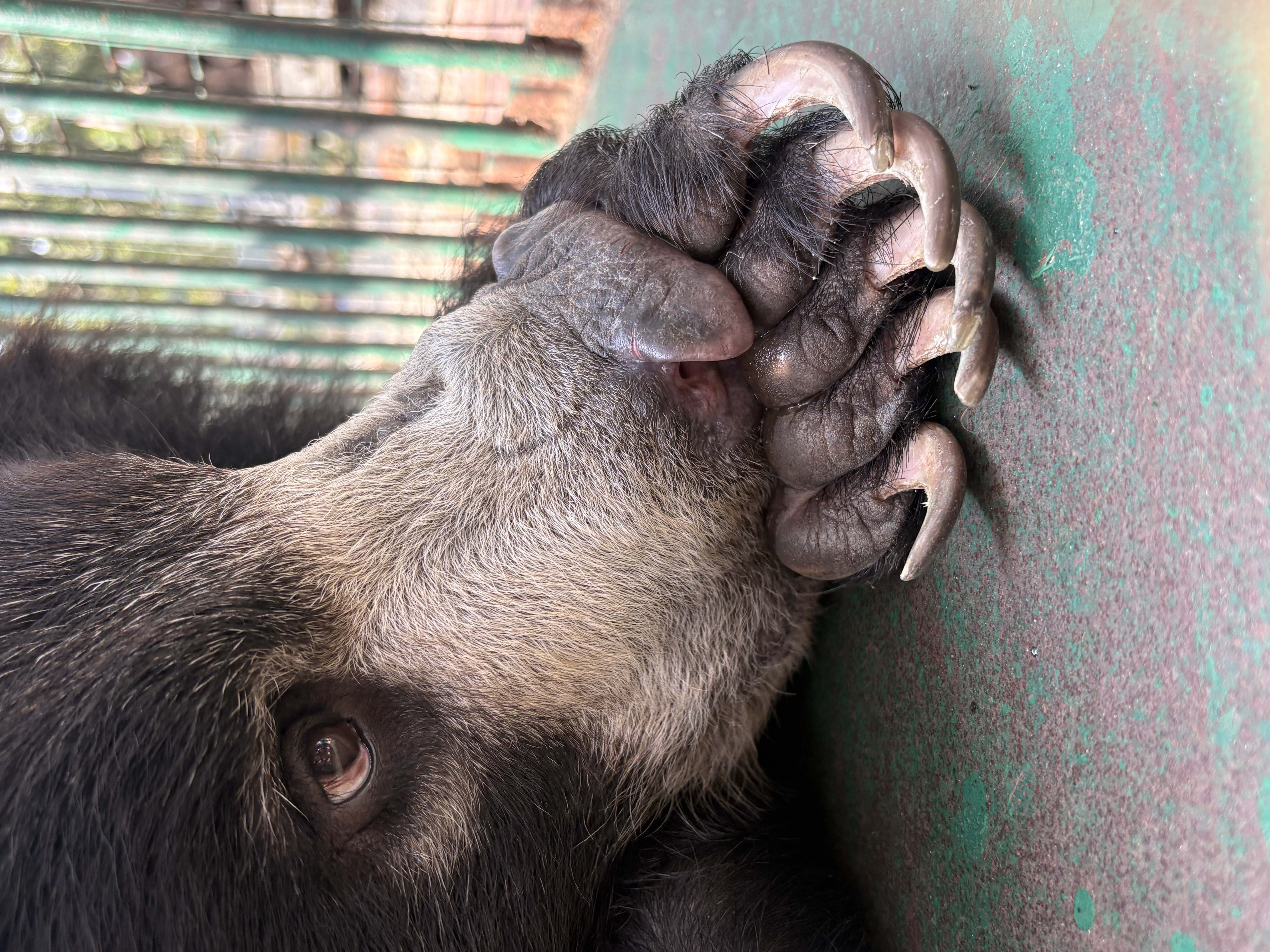
International Animal Rescue is calling for continued support against wildlife trafficking on World Wildlife Day after a young sloth bear cub, Lissy, was rescued from the illegal ‘dancing’ bear trade 17 years after it was officially eradicated.

The three-year-old cub was rescued from the Jharkhand–West Bengal border following a tip-off to forest officials. Spotting their approach, the trafficker threw the cub onto the floor before running off.

The baby bear, named Lissy, had gruesome injuries. Her muzzle had been pierced, and a rope had been forced through it, and her canine teeth had been smashed out. 

She was emaciated and thirsty. Her injuries are a trademark of the horrific dancing bear trade, which forces cubs away from their mothers and tortures them into ‘performing’ in agony. Lissy’s injuries reflect why this practice was outlawed in 1972 and eradicated fifteen years ago.

In 2009, after many years of hard work from both International Animal Rescue and Wildlife SOS, more than 620 bears had been rescued and taken into sanctuary. So why was another cub still trafficked?

Alan Knight OBE, President of International Animal Rescue, told That's Green: “We cannot become complacent. 

"We thought that the dancing bear trade had stopped, but this latest rescue proves otherwise, as traffickers are still attempting to sneak bears across borders. We named her Lissy, after our beloved colleague Lis Key, who spent her career working to end this practice. 

"I know she’d be proud to see this cub, which is now safe and happy. We are calling for support to increase vigilance and to raise awareness.”

Native to South Asia, sloth bears (Melursus ursinus) are classified as Vulnerable and continue to face threats from habitat destruction, poaching and illegal trade.

This World Wildlife Day, International Animal Rescue is asking for support to continue enforcement, maintain cross-border vigilance and urge the public to help prevent this torturous trade from happening again as well as supporting Lissy bear.

To help them keep up the fight against wildlife traffickers, please visit: https://www.internationalanimalrescue.org/animals/indian-sloth-bear

Saturday, 28 February 2026

That's Business: Repair Week 2026: Why Fixing Things Is Big Busines...

That's Business: Repair Week 2026: Why Fixing Things Is Big Busines...: Repair Week 2026 is more than a feel-good environmental campaign. For UK entrepreneurs, sole traders and high street independents, it repre...

Friday, 27 February 2026

Loch Lomond Banks Refusal of Planning Application. Charity Speaks Out

A spokesman for Friends of Loch Lomond and The Trossachs said: "Regarding Land at Pier Road, Ben Lomond Way and Old Luss Road, Known as West Riverside and Woodbank House, Balloch, G83 8QX

"Erection And Operation Of A Mixed-Use Tourism And Leisure Development Including Refurbished Tourist Information Building; Up To 60-Bedroom Apartment Hotel; Up To 32-Bedspace Budget Hotel, Up To 104 No. Self-Catering Holiday Lodges; Restoration And Redevelopment/Conversion Of Woodbank House And Attendant Listed Structures For Up To 21 Self-Catering Holiday Apartments (Subject To Other Necessary Consents); Leisure Pool, Waterpark, Spa; Restaurants, Hot Food Cafe And Retail Areas; Craft Brewery Inc

"As a long-established independent conservation charity which works in and around the LL&T national Park, we have consistently supported this planning application because it has always been clear to us that with its minimal frontage on the loch, the site’s previous planning history of being zoned for leisure and recreation and its situation within an existing envelope of development, it would have zero negative impact on the special qualities of Loch Lomond and its wider surrounding area. 

"On the contrary, it would help to absorb the visitor pressures which already exist elsewhere and has the capacity to deliver many conservation and economic benefits to the area.

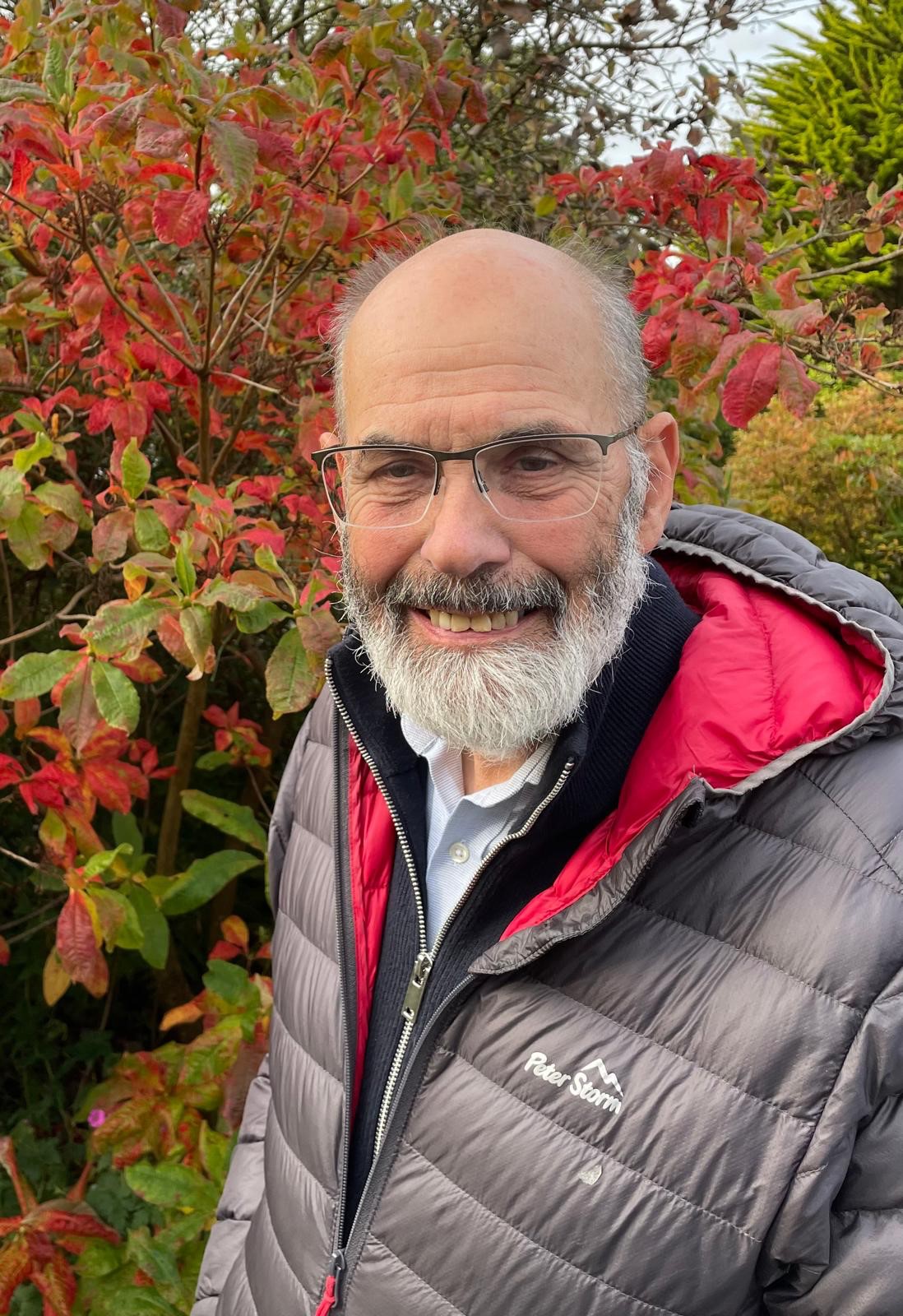
Their Chairman, John Urquhart (PICTURED) told That's Green: “We are disappointed, but not much surprised by Mr McKee’s decision to refuse the Lomond Banks planning application -conveniently before the Holyrood elections in May, in what we suspect is a politically motivated gambit which stands against good sense and all the planning evidence.

“The Green Party has very successfully turned this planning application into a political football, with “Saving Loch Lomond’ never being much about the merits of the planning facts, but much more about whipping up a sensational vote catching narrative. 

"However, Mr Greer’s trumpeting of success may be premature as the ancient woodland and flooding grounds for refusal cited by Mr McKee are weak and will not stand up to legal analysis should the developer decide to follow the court option which is now open to them.

"There is almost no ancient woodland on the site, most of it having been cleared well before the 19th Century. A remaining agricultural shelter belt was mostly removed during the mid-20th Century by sand and gravel excavation. 

"Ironically, what has saved the fragmentary narrow strip that now remains is the INEOS Finnart-Grangemouth oil pipelines which cross the site. The woodland whicTheh has colonised the former caravan site, rail yards and sand pits is recent. 

"It is nonetheless one of the site’s primary assets which the developer wants to retain with compensatory planting nearby or onsite to make up for any trees lost agreed at the detail stage, because, after all, the application was always only an outline proposal. The same goes for the flooding issue. 

"Most of the site is above maximum flood levels and mitigation measures for anything built lower down could readily have been developed at the detail stage.

"It is a great pity there has been so little exploration of the many economic, heritage and habitat benefits which could and should flow from such a proposal. The National Park’s planners have seemed largely blind to that, and the scheme’s huge potential has never been properly examined. Instead, many people have swallowed the populist “Save Loch Lomond” bait, including it seems, the National Park’s Board.

"In an effort to insert some balance, we outline here some examples of the kind of “planning gain” which would have been (and may yet be) available if only there was some leadership, ambition, imagination and, dare we say it, partnership.

They include:

Considerable local economic benefit including many good quality jobs during construction and then long-term operation of the business. Increased footfall would also benefit struggling Lomond Shores, Balloch and Alexandria retail and eatery businesses. Conservation of Woodbank House’s 18th century façade. Improved woodland management. 

"Promotion of Red Squirrel population versus Grey. Rewilding of Stoneymollan Burn. Support for conservation efforts around Paddle Steamer Maid of The Loch and its heritage slipway, steam winch and Balloch Pier. Conservation of Old Balloch Station. Existing woodland walks lit and maintained. Re-established public transport link between Balloch and Balloch Pier. Strengthening of woodland wildlife corridors around southern end of Loch Lomond. 

"Former (now disused) Gateway Centre repurposed to provide wet weather/indoor sports facilities for Lomond Banks residents (and the public). Facilitated by a bridge or ferry connection to Lomond Shores at Balloch Pier, repurposing of disused Balloch Castle as a café, shop, interpretation and visitor information centre. Assistance with efforts to improve peak time traffic flows at local A82 pinch points. Substantial tourism levy income to the local authority.

"It is highly unlikely any of these developments will ever occur without this kind of development”

For more information on rewilding the Stoneymollan Burn, see page 13 of the latest edition of their magazine, “Voice”, available online at https://www.lochlomondtrossachs.org.uk/voice-magazine

That's Business: CIBSE NABERS UK Energy for office ratings recognis...

That's Business: CIBSE NABERS UK Energy for office ratings recognis...: CIBSE Certification is delighted to announce NABERS UK Energy for Office ratings, certified by CIBSE and administered through its wholly ow...

World Water Day: Why Every Drop Matters

Every year on 22 March, the world pauses to reflect on something so ordinary we often overlook it: water. 

World Water Day, coordinated by United Nations, shines a spotlight on the global water crisis and the urgent need for sustainable management of freshwater resources.

It is easy, particularly here in the UK where turning on the tap feels effortless, to forget that billions of people around the world still lack reliable access to safe drinking water. 

Yet even closer to home, issues such as ageing infrastructure, river pollution, drought risk and rising demand remind us that water security is not guaranteed.

Why World Water Day Matters

Water underpins everything:

Public health

Food production

Energy generation

Wildlife habitats

Local economies

Without clean water, communities cannot thrive. Globally, water scarcity is increasing due to climate change, population growth and pollution. 

Periods of extreme rainfall followed by prolonged dry spells are becoming more common, placing pressure on reservoirs, farmland and wildlife alike.

In England, hosepipe bans in recent summers have demonstrated that even a temperate climate is not immune to shortages. Meanwhile, concerns about river quality have prompted widespread discussion about sewage discharge and environmental regulation. These are not distant problems — they are part of our national conversation.

The Link Between Climate and Water

Climate change is, at heart, a water story. Rising temperatures intensify the water cycle, meaning heavier storms, more flooding, longer droughts and disrupted seasonal rainfall patterns.

This affects:

Farmers managing crops

Households facing higher bills

Wildlife depending on stable ecosystems

Coastal communities vulnerable to rising seas

World Water Day encourages governments, businesses and individuals to think long-term about resilience, infrastructure and responsible consumption.

What Can We Do at Home?

While global policy matters, everyday habits make a difference too. Consider:

1. Use water wisely

Shorter showers, fixing leaks promptly and running full washing loads all reduce waste.

2. Choose reusable options

A refillable bottle and filtered tap water cut down on plastic and support trust in local supplies.

3. Be mindful of what goes down the drain

Avoid pouring fats, oils and chemicals into sinks. These damage waterways and treatment systems.

4. Support river conservation

Many local volunteer groups help protect streams and canals. Even a few hours a year can have impact.

Water and Community

Water has always brought people together, from village wells to canal networks and seaside towns. It shapes our landscapes and our memories. Whether it is a walk along a Welsh coastline, a Shropshire riverbank or a city canal path, water connects us to place.

World Water Day is not simply about statistics. It is about recognising that access to clean water is a human right and a shared responsibility.

A Moment of Reflection

The next time you fill the kettle or water the garden, pause for a moment. Consider the journey that water has taken, from cloud to reservoir, through pipes and treatment plants, and finally into your home.

Every drop has value.

And protecting it is something we can all be part of.

https://www.unwater.org/our-work/world-water-day

International Day of Forests: Why the World’s Woodlands Matter More Than Ever

Every year on 21 March, the world marks the International Day of Forests, a global reminder that forests are not simply scenic backdrops for countryside walks, but living systems that sustain life on Earth.

From the ancient woodlands of Britain to the vast canopy of the Amazon, forests quietly shape our climate, economy and wellbeing. 

Yet they are under constant pressure from deforestation, disease, pollution and climate change. This day offers a moment to pause and reflect on what forests give us and what we must do to protect them.

Why Forests Matter

Forests cover around a third of the planet’s land surface. They:

Absorb carbon dioxide and help regulate the global climate

Support 80% of terrestrial biodiversity

Protect soil and water systems

Provide livelihoods for millions of people

Offer spaces for recreation and mental restoration

In the UK, woodlands are central to our cultural and natural heritage. Think of the legendary Sherwood Forest, or the patchwork of ancient woodlands scattered across Shropshire, Wales and beyond. These places are not just tourist attractions, they are carbon stores, wildlife habitats and natural sanctuaries.

Forests and Climate Change

Forests act as the lungs of the planet. Through photosynthesis, trees absorb carbon dioxide and release oxygen, helping to slow the pace of global warming. When forests are cleared or burned, that stored carbon is released back into the atmosphere.

The Amazon Rainforest alone plays a crucial role in global climate systems. Large-scale deforestation there has consequences far beyond South America, affecting rainfall patterns and biodiversity worldwide.

Closer to home, tree planting initiatives across the UK aim to increase woodland cover and restore degraded landscapes. However, planting new trees must go hand in hand with protecting existing ancient forests, which are irreplaceable ecosystems developed over centuries.

The Mental Health Connection

Spending time in forests has measurable benefits for mental health. A quiet woodland walk can lower stress levels, reduce blood pressure and improve mood. The Japanese practice of “forest bathing” immersing oneself mindfully in a wooded setting, has inspired similar wellbeing initiatives across Europe.

For many people, local forests became essential spaces during lockdown periods, offering fresh air, exercise and perspective.

Threats Facing Forests

Despite their value, forests face serious challenges:

Illegal logging

Agricultural expansion

Urban development

Wildfires

Invasive pests and diseases

In the UK, ash dieback disease has devastated thousands of trees, reshaping familiar landscapes and reminding us how fragile woodland ecosystems can be.

How You Can Mark the Day

International Day of Forests is not only about awareness, it is about action. You could:

Visit a local woodland and learn about native species

Support conservation charities

Reduce paper and wood waste

Choose sustainably sourced timber and products

Plant native trees in your garden or community

Even small changes in consumer habits can reduce pressure on global forest systems.

A Future Rooted in Responsibility

Forests connect climate, biodiversity, culture and wellbeing in one living network. They are ancient yet vulnerable; resilient yet dependent on human stewardship.

International Day of Forests invites us to look beyond the trees, and recognise that protecting forests means protecting ourselves.

Whether it is a walk beneath towering oaks, a commitment to sustainable choices, or supporting conservation efforts, the future of forests begins with everyday decisions.

Because when forests thrive, so do we.

https://forests.desa.un.org/events/international-day-forests-2026

World Wildlife Day: Celebrating the Natural World We All Share

Every year on 3 March, World Wildlife Day reminds us just how rich, diverse and fragile our planet truly is.

Established by the United Nations in 2013, the day celebrates the world’s wild animals and plants while raising awareness of the urgent need to protect them.

From towering elephants roaming African plains to tiny pollinators working quietly in British gardens, wildlife shapes ecosystems, cultures, and economies across the globe. Without it, our world would be unrecognisable.

Why World Wildlife Day Matters

Wildlife is not simply something we admire on documentaries. It underpins food security, clean air, fresh water and even medicine. Yet biodiversity loss is accelerating due to habitat destruction, climate change, pollution and illegal trade.

Organisations such as WWF and The Wildlife Trusts warn that many species are declining at alarming rates. In the UK alone, hedgehogs, water voles and numerous bird species have seen sharp population drops over recent decades.

World Wildlife Day encourages governments, businesses and individuals to take meaningful action, not just admire wildlife, but actively protect it.

The Global Theme

Each year, the day adopts a theme highlighting a particular aspect of conservation,from marine ecosystems to forest restoration, youth engagement or wildlife crime prevention. These themes reinforce the idea that protecting wildlife requires cooperation across borders and sectors.

After all, wildlife does not recognise political boundaries. Migratory birds, ocean mammals and pollinating insects move freely — and depend on healthy habitats wherever they land.

How We Can Make a Difference in the UK

You don’t need to trek through the Amazon to support wildlife conservation. Action at home matters.

1. Support Local Conservation

Visit nature reserves managed by groups like RSPB or your local Wildlife Trust. Membership fees directly fund habitat protection.

2. Create Wildlife-Friendly Gardens

Plant native species, leave a patch of lawn unmown, or install a small pond. Even urban balconies can become mini sanctuaries for bees and butterflies.

3. Reduce Plastic and Waste

Marine wildlife, including species studied and protected by organisations such as Marine Conservation Society, are heavily impacted by plastic pollution. Reducing single-use plastics makes a real difference.

4. Choose Ethical Products

Look for sustainably sourced timber, palm oil and seafood. Consumer choices influence global supply chains.

Wildlife and Wellbeing

Spending time in nature benefits mental health and overall wellbeing, something increasingly recognised in modern Britain. A quiet walk in a woodland, a glimpse of deer at dusk, or even the sight of garden birds feeding can restore a sense of perspective.

Wildlife enriches not only ecosystems but our everyday lives.

A Shared Responsibility

World Wildlife Day is not just about saving distant species. It is about safeguarding the intricate web of life that supports us all.

Whether it’s protecting a rainforest thousands of miles away or helping hedgehogs cross your local road safely, every small action contributes to a larger movement.

The natural world is extraordinary. World Wildlife Day invites us to celebrate it, and more importantly, to protect it for generations to come.