Wednesday, 28 January 2026
That's Business: Clean Planet Technologies Awarded UK Government SA...
That's Business: Clean Planet Technologies Awarded UK Government SA...: Clean Planet Technologies (CPTech), part of the Clean Planet Group, has been awarded funding by the UK Department for Transport (DfT) throu...

Government in Court Over Animal Welfare Concerns
 |
| Image courtesy ALF |
The Animal Law Foundation will be in the Royal Courts of Justice challenging the government over amending an EU derived welfare protection prohibiting the handling of chickens by their legs, a practice which causes immense suffering. This represented the first dilution of welfare standards since Brexit.
Under the European Transport Regulation 1/2005, which until recently applied in the UK, it was strictly forbidden to lift chickens by their legs during transport and related operations:
“It shall be prohibited to… lift or drag the animals by head, ears, horns, legs, tail or fleece, or handle them in such a way as to cause them unnecessary pain or suffering.”
Handling chickens by the legs causes significant pain and distress, and injuries like fractures and dislocations. When chickens are inverted they can suffocate, as their internal organs begin to crush their lungs, which are not protected by a diaphragm. It is standard practice on UK farms due to commercial reasons to maximise efficiency and profit when collecting chickens for slaughter.
However, despite the law and the harm towards chickens, the Government permitted this practice in its Code of Practice for the Welfare of Laying Hens and Pullets and the Code of Practice for the Welfare of Meat Chickens and Meat Breeding Chickens.
The Animal Law Foundation challenged the unlawful codes; however, in response to the case, rather than enforce the law or update the codes, the government changed the law instead to remove the legal protection. It did this via a Statutory Instrument, which came into force on 22 July 2025.
In its legal challenge, The Animal Law Foundation will argue that the consultation exercise, which paved the way for the change in law, was unfair.
The High Court agrees that The Animal Law Foundation has an arguable case.
Morgane Alting von Geusau, Advocacy and Communications Coordinator, The Animal Law Foundation told That's Green: “Consultations must be fair. Whilst a public authority can have a ‘preferred’ outcome, it must not have a predetermined outcome or have a closed mind. Here the government had made it clear beforehand that its plan was to change the law to allow for the handling of chickens by the legs.
The outcome of this hearing will affect the lives of billions of chickens in the UK and determine the difference between treating animals with compassion or treating them merely as commodities to maximise profit. ”
The Animal Law Foundation is represented by Philip Rule KC.
Chicken handling was exposed in an investigation by Animal Justice Project, with catchers seemingly grabbing as many as five distressed chickens in each hand.
Monday, 26 January 2026
That's Food and Drink: Norway "Shows the Way" on Chicken Welfare
That's Food and Drink: Norway "Shows the Way" on Chicken Welfare: Pressure mounts on UK companies to address widespread use of controversial breeds. Animal welfare advocates today hail ‘historic moment’ as ...
Love Stinks — But It Saves Wildlife – Valentines Poo at Shaldon Wildlife Trust
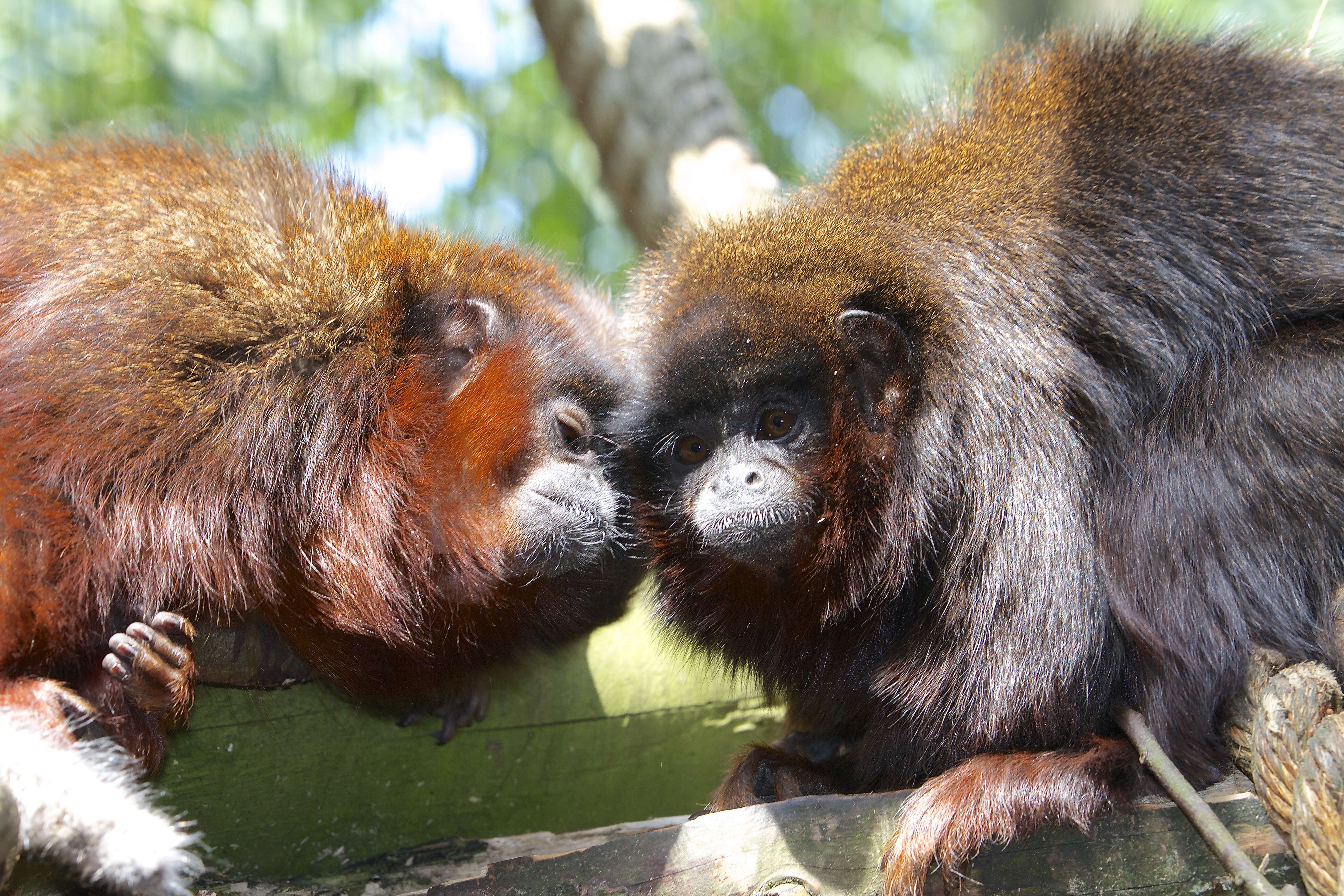
Following the success of last year’s initiative, which saw around 15 supporters buy framed images of a loved or hated one’s name depicted in the excrement of one of the Trust’s animals, the Trust is bringing back and expanding the idea for 2026.
“Flowers and chocolates are lovely,” said Zak Showell, Director of Shaldon Wildlife Trust. “But for those who want to give something fun, memorable and impactful why not let nature do the talking? Our Valentine’s Poo Sale not only brings a smile, it helps fund vital conservation work here and around the world.”
How it works:
Supporters can pay £5 for a keeper to select an animal’s “offering” to feature with a personalised message.
Pay £10 and you pick the species, so if you have someone who loves meerkats or lemurs, you can pick them a personalised Valentine’s gift.
Each image will be shared across the Trust’s social media channels on February 14th
Proceeds will directly support Shaldon Wildlife Trust’s conservation efforts, supporting 8 projects globally as well as the endangered species at the zoo.
This initiative celebrates the Trust’s mission to protect wildlife and raise awareness of conservation — showing that even the oddest gifts can make a big difference for endangered species.
Monday, 19 January 2026
That's Business: Recycling or Greenwashing? Why “Made From Bottles”...
That's Business: Recycling or Greenwashing? Why “Made From Bottles”...: Are We Recycling… or Just Shipping Our Guilt Abroad? The Carbon Footprint Question Behind Britain’s Plastic Bottle “Recycling.” We all know...
Tuesday, 13 January 2026
That's Business: Waste to Wonder Worldwide Founder Alan Cooper Awar...
That's Business: Waste to Wonder Worldwide Founder Alan Cooper Awar...: Waste to Wonder Worldwide is proud to announce that its founder, Alan Cooper , has been awarded an Officer of the Order of the British Empi...
Subscribe to:
Comments (Atom)