Showing posts with label welfare. Show all posts

Tuesday, 3 March 2026

The Name's Changed But the Aim is the Same. Open Cages is Now Anima

The UK animal charity Open Cages has rebranded to Anima, reflecting its global identity as Anima International.

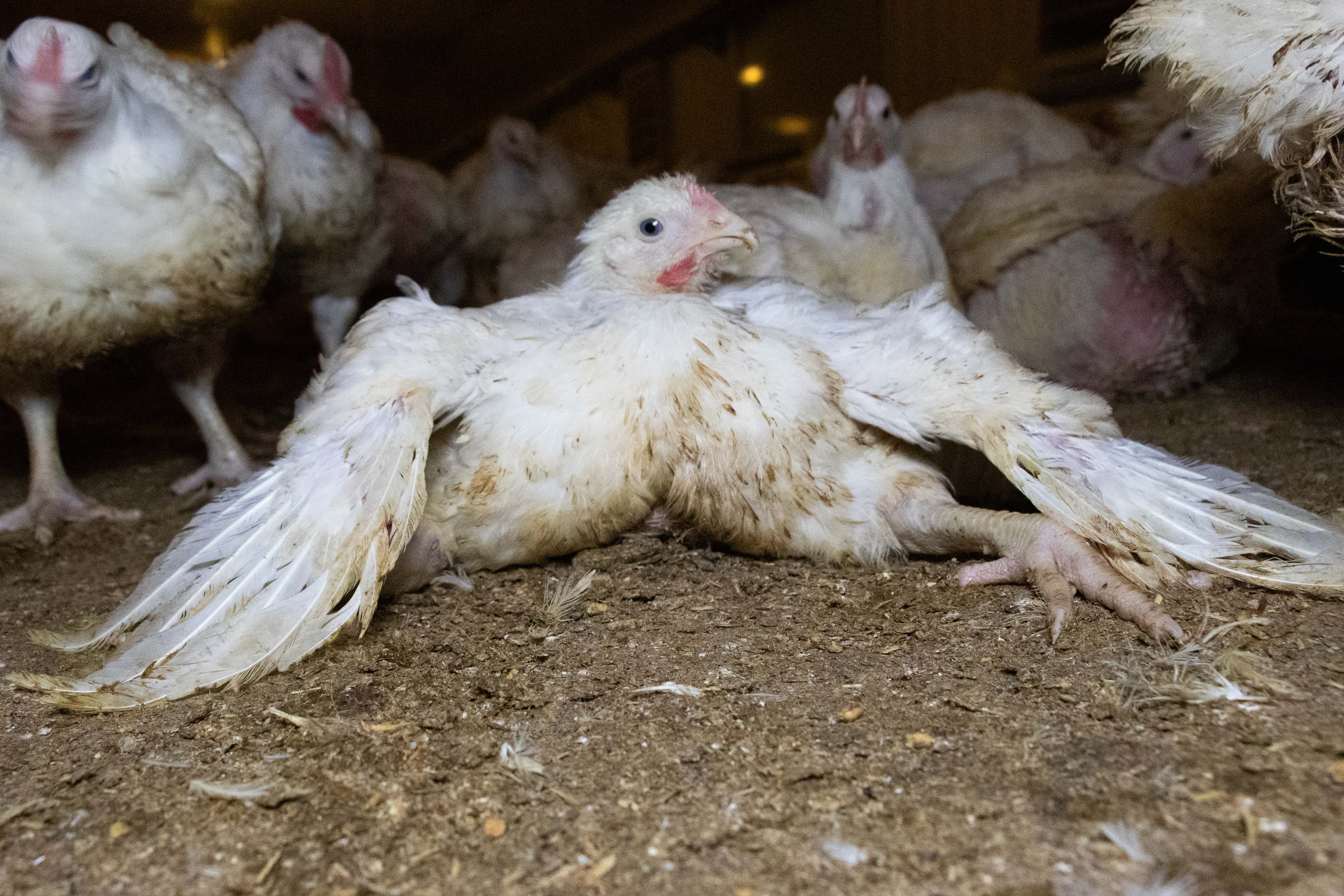
The change comes as Anima prepares to invest “more resources than ever” into its campaign to end the use of fast-growing “frankenchickens” in the UK.

The announcement follows major recent wins for Anima, including Poland’s fur farming ban and a world-first decision in Norway to phase out fast-growing chickens completely.

The UK is one of Europe’s largest chicken producers, with over 90% of chickens bred to grow at unnaturally fast rates, commonly leading to severe welfare problems, including chronic pain, lameness, and sometimes even heart attack. Anima International has identified the UK as a key strategic priority in its efforts to reduce animal suffering.

Commenting on the rebrand, Connor Jackson, CEO of Anima, told That's Green: “The breeding of fast-growing chickens represents one of the biggest sources of animal suffering in the world, and it’s a practice that is out of step with public sentiment.

"As a result, a transition is already happening in countries such as Norway, the Netherlands, Denmark and Germany. Our mission to achieve this in the UK hasn’t changed; we’re preparing to devote more resources than ever to this fight.

"Our new identity reflects our increasing focus on Britain as a priority for our entire organisation, given the snail’s pace at which we are solving this animal welfare crisis.”

Waitrose is the only major UK company to have totally phased out fast growing chickens, branding the practice an “animal welfare crisis.” M&S has done it for 30% of its products. KFC, Nando’s and several other restaurants recently abandoned their commitments to make the change. Whilst companies such as Pret and Greggs are yet to follow through on their commitments.

Anima International is a global animal advocacy organisation with six national groups, and two decades of experience working to end animal suffering. Now operating as Anima in the UK, the organisation plans to launch its largest UK campaign to date later this year.

anima.org.uk

Friday, 27 February 2026

World Wildlife Day: Celebrating the Natural World We All Share

Every year on 3 March, World Wildlife Day reminds us just how rich, diverse and fragile our planet truly is.

Established by the United Nations in 2013, the day celebrates the world’s wild animals and plants while raising awareness of the urgent need to protect them.

From towering elephants roaming African plains to tiny pollinators working quietly in British gardens, wildlife shapes ecosystems, cultures, and economies across the globe. Without it, our world would be unrecognisable.

Why World Wildlife Day Matters

Wildlife is not simply something we admire on documentaries. It underpins food security, clean air, fresh water and even medicine. Yet biodiversity loss is accelerating due to habitat destruction, climate change, pollution and illegal trade.

Organisations such as WWF and The Wildlife Trusts warn that many species are declining at alarming rates. In the UK alone, hedgehogs, water voles and numerous bird species have seen sharp population drops over recent decades.

World Wildlife Day encourages governments, businesses and individuals to take meaningful action, not just admire wildlife, but actively protect it.

The Global Theme

Each year, the day adopts a theme highlighting a particular aspect of conservation,from marine ecosystems to forest restoration, youth engagement or wildlife crime prevention. These themes reinforce the idea that protecting wildlife requires cooperation across borders and sectors.

After all, wildlife does not recognise political boundaries. Migratory birds, ocean mammals and pollinating insects move freely — and depend on healthy habitats wherever they land.

How We Can Make a Difference in the UK

You don’t need to trek through the Amazon to support wildlife conservation. Action at home matters.

1. Support Local Conservation

Visit nature reserves managed by groups like RSPB or your local Wildlife Trust. Membership fees directly fund habitat protection.

2. Create Wildlife-Friendly Gardens

Plant native species, leave a patch of lawn unmown, or install a small pond. Even urban balconies can become mini sanctuaries for bees and butterflies.

3. Reduce Plastic and Waste

Marine wildlife, including species studied and protected by organisations such as Marine Conservation Society, are heavily impacted by plastic pollution. Reducing single-use plastics makes a real difference.

4. Choose Ethical Products

Look for sustainably sourced timber, palm oil and seafood. Consumer choices influence global supply chains.

Wildlife and Wellbeing

Spending time in nature benefits mental health and overall wellbeing, something increasingly recognised in modern Britain. A quiet walk in a woodland, a glimpse of deer at dusk, or even the sight of garden birds feeding can restore a sense of perspective.

Wildlife enriches not only ecosystems but our everyday lives.

A Shared Responsibility

World Wildlife Day is not just about saving distant species. It is about safeguarding the intricate web of life that supports us all.

Whether it’s protecting a rainforest thousands of miles away or helping hedgehogs cross your local road safely, every small action contributes to a larger movement.

The natural world is extraordinary. World Wildlife Day invites us to celebrate it, and more importantly, to protect it for generations to come.

Thursday, 12 February 2026

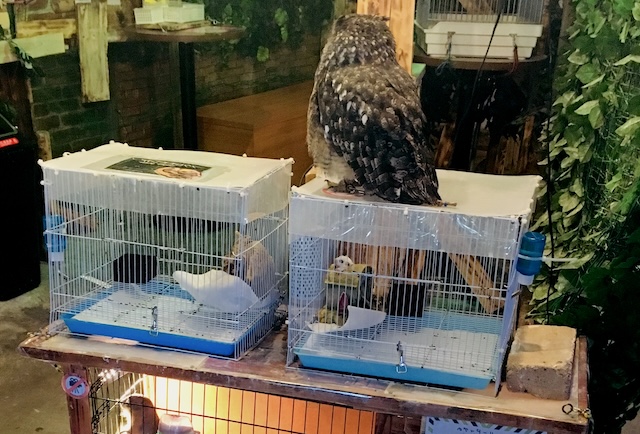
Tourists Urged to Boycott Exotic Animal Cafés as Welfare Charity Launches Public Pledge

Global animal welfare charity, Wild Welfare, has today launched a ‘call-to-action campaign’ urging for an end to the exploitation of wildlife within the exotic animal cafés across Asia. 

The ‘Just Say No’ pledge invites the public to look beyond the ‘cute’ aesthetics of these increasingly popular tourist spots, and to recognise the harsh and cruel realities lived by the animals kept within them.

The rise of animal cafés, particularly across Japan, has become increasingly visited experiences by tourists, likely driven, in part by their frequent social media exposure. 

Guests are promised close-up encounters with exotic species such as owls, otters, capybaras and even fennec foxes, however, behind their “cute cafe” image, lies a stark reality of highly compromised animal welfare. 

Wild Welfare, working alongside a network of Japanese animal welfare NGOs’ and experts, is sounding the alarm on the distress these commercial environments are causing animals along with their risk to visitor health and safety.

“People visit these cafés because they ‘love’ animals, but the tragic irony is that their decision to visit fuels a cycle of suffering,” Georgina Groves, a Senior Animal Welfare Advisor at Wild Welfare, told That's Green.

“Our research and technical paper, carried out through the support of the charity ‘Animal Welfare Japan’, demonstrates that these crowded, noisy environments are fundamentally incapable of meeting the complex needs of wild animals. From over handling, to the inability of species to perform any natural behaviours; thousands of animals in these cafes are existing in a state of chronic stress.”

The ‘Just Say No’ pledge is part of a broader strategy which has seen Wild Welfare working with partners to advocate for the end of exotic animal entertainment cafes. The organisation provides technical expertise to assist the transition of the international tourism industry toward more ethical, welfare-friendly practices.

By taking the pledge, supporters are making a tangible commitment to the welfare of captive wild animals and helping to shift the global demand away from the over commercialisation of wildlife.

Take a few seconds to stand up for animal welfare and add your name to the online pledge today at https://wildwelfare.org/animal-cafe-pledge

Wednesday, 28 January 2026

Government in Court Over Animal Welfare Concerns

Image courtesy ALF
The Animal Law Foundation will be facing the Government in Court next week challenging the removal of welfare protections for chickens.

The Animal Law Foundation will be in the Royal Courts of Justice challenging the government over amending an EU derived welfare protection prohibiting the handling of chickens by their legs, a practice which causes immense suffering. This represented the first dilution of welfare standards since Brexit.

Under the European Transport Regulation 1/2005, which until recently applied in the UK, it was strictly forbidden to lift chickens by their legs during transport and related operations:

“It shall be prohibited to… lift or drag the animals by head, ears, horns, legs, tail or fleece, or handle them in such a way as to cause them unnecessary pain or suffering.”

Handling chickens by the legs causes significant pain and distress, and injuries like fractures and dislocations. When chickens are inverted they can suffocate, as their internal organs begin to crush their lungs, which are not protected by a diaphragm. It is standard practice on UK farms due to commercial reasons to maximise efficiency and profit when collecting chickens for slaughter.

However, despite the law and the harm towards chickens, the Government permitted this practice in its Code of Practice for the Welfare of Laying Hens and Pullets and the Code of Practice for the Welfare of Meat Chickens and Meat Breeding Chickens.

The Animal Law Foundation challenged the unlawful codes; however, in response to the case, rather than enforce the law or update the codes, the government changed the law instead to remove the legal protection. It did this via a Statutory Instrument, which came into force on 22 July 2025.

In its legal challenge, The Animal Law Foundation will argue that the consultation exercise, which paved the way for the change in law, was unfair.

The High Court agrees that The Animal Law Foundation has an arguable case.

Morgane Alting von Geusau, Advocacy and Communications Coordinator, The Animal Law Foundation told That's Green: “Consultations must be fair. Whilst a public authority can have a ‘preferred’ outcome, it must not have a predetermined outcome or have a closed mind. Here the government had made it clear beforehand that its plan was to change the law to allow for the handling of chickens by the legs.

The outcome of this hearing will affect the lives of billions of chickens in the UK and determine the difference between treating animals with compassion or treating them merely as commodities to maximise profit. ”

The Animal Law Foundation is represented by Philip Rule KC.

Chicken handling was exposed in an investigation by Animal Justice Project, with catchers seemingly grabbing as many as five distressed chickens in each hand.

https://animallawfoundation.org