Showing posts with label wildlife. Show all posts

Monday, 8 June 2026

How Your Garden Lighting Could Be Harming Wildlife. And What You Can Do About It

Is Your Garden Lighting Harming Wildlife? Why Dark Nights Matter More Than You Think.

Leaving garden lights on overnight can disrupt bats, hedgehogs, moths and other wildlife. Discover how to create a wildlife-friendly garden after dark.

Many of us love a well-lit garden. Solar path lights, decorative lanterns, security floodlights and illuminated patios can make outdoor spaces feel welcoming and safe after dark.

But while garden lighting may look attractive to us, it can create significant problems for some of the wildlife that visits our gardens every night.

As awareness grows about biodiversity loss and declining wildlife populations, experts are increasingly encouraging homeowners to think carefully about how much artificial light they use outdoors.

Why Darkness Matters

For millions of years, wildlife evolved around natural cycles of daylight and darkness. Many animals rely on darkness to hunt, forage, navigate, breed and avoid predators.

When gardens remain brightly lit throughout the night, these natural behaviours can be disrupted.

Artificial light can affect:

Bats searching for insects

Hedgehogs moving between feeding areas

Moths and other pollinating insects

Owls and other nocturnal birds

Amphibians such as frogs and newts

Even relatively small amounts of light can alter how these animals use a habitat.

The Impact on Insects

One of the most visible effects of garden lighting is on insects.

Moths, beetles and other flying insects are naturally attracted to artificial light sources. Instead of feeding, pollinating plants or finding mates, they can spend hours circling lights until they become exhausted or fall victim to predators.

This not only affects the insects themselves but also the many animals that depend on them for food.

With insect populations already under pressure across the UK, reducing unnecessary lighting can provide valuable support.

Bats and Hedgehogs Need Darkness Too

Many bat species avoid brightly lit areas altogether. A floodlit garden may effectively create a barrier that prevents bats from accessing feeding routes.

Hedgehogs can also become reluctant to cross illuminated spaces, making it harder for them to travel between gardens in search of food and shelter.

As gardens become increasingly important wildlife corridors, maintaining dark areas can help these animals move more freely.

Simple Ways to Make Your Garden Wildlife-Friendly

The good news is that you do not need to sit in complete darkness to help wildlife.

Consider:

Using motion sensors instead of lights that stay on all night

Switching lights off when they are not needed

Choosing warmer-coloured bulbs rather than bright white LEDs

Directing light downwards instead of allowing it to spread widely

Creating "dark zones" where wildlife can move undisturbed

Using timers to limit lighting during late-night hours

Even small changes can make a significant difference.

A Better Balance

Garden lighting certainly has its place, particularly for safety and security. However, by using it thoughtfully, we can enjoy our outdoor spaces while also supporting the wildlife that shares them.

Sometimes one of the most environmentally friendly things we can do is surprisingly simple: switch off the lights and let nature enjoy the night.

And you'll be doing your bit for your nocturnal visitors. 

Tuesday, 3 March 2026

Children Can Legally Buy Weapons Used to Kill Wildlife, MPs Warned

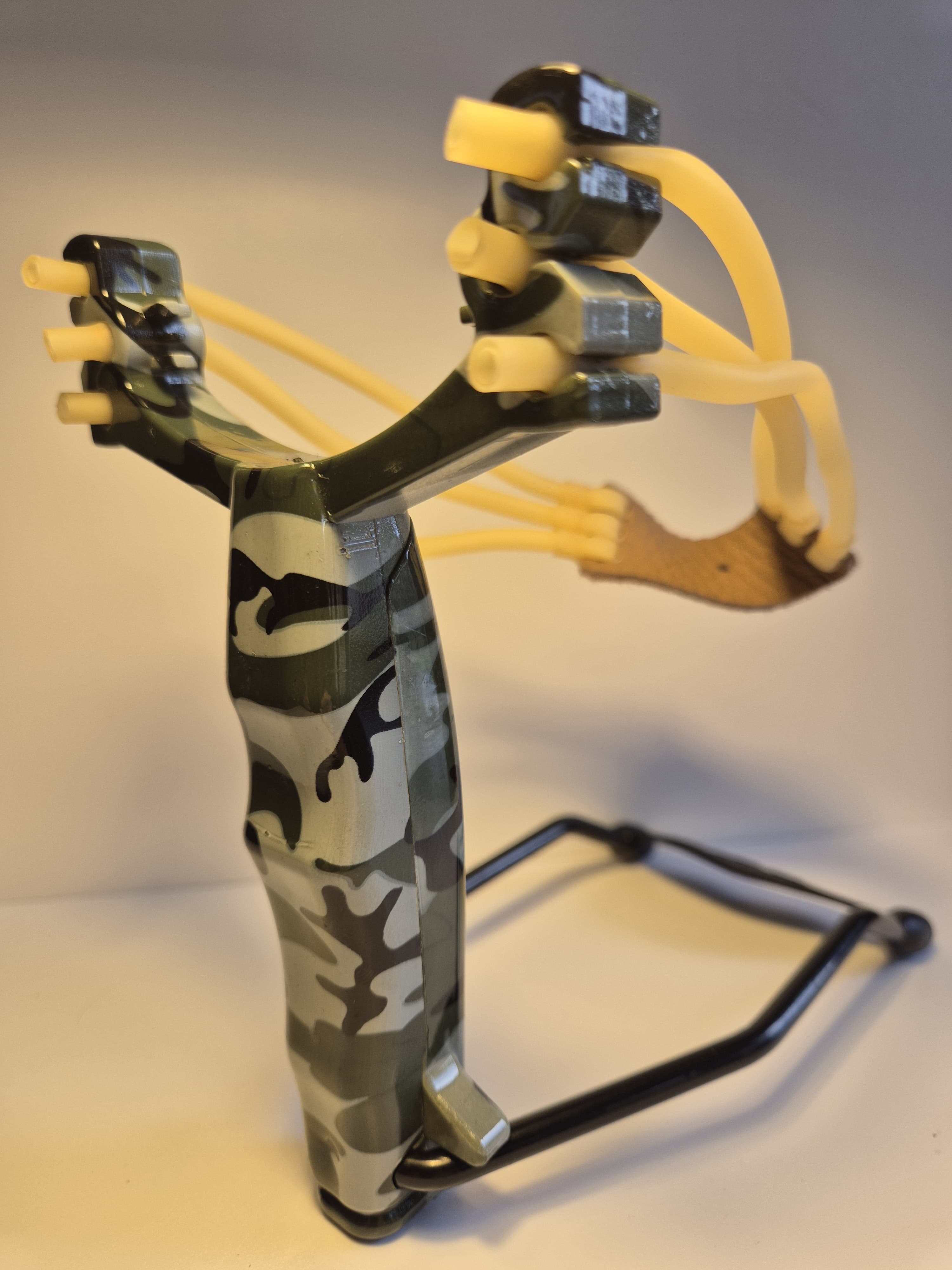
MPs have been warned that anyone, including children, can legally buy weapons capable of killing wildlife, as a legal loophole allows catapults and slingshots to be sold cheaply and without restriction across England and Wales.

The warning was issued during a Parliamentary briefing hosted by Naturewatch Foundation, which highlighted growing evidence that catapults are being deliberately misused to injure and kill wildlife, damage property and intimidate rural communities. 

Despite their potential to cause serious harm, catapults remain completely unregulated in England and Wales, with no minimum age for purchase and no meaningful controls on sale or power.

Naturewatch Foundation warned MPs current legislation leaves police and communities powerless to act. 

Officers are unable to confiscate catapults unless another offence has already been committed, and incidents involving catapults are not recorded as a specific crime. 

This means the true scale of wildlife harm, antisocial behaviour and community impact is significantly underestimated. The event room in Parliament was kindly sponsored by Max Wilkinson MP.

“These items being sold are not toys and it is not harmless mischief,” Jim Clark, Wildlife Crime Campaign Manager at Naturewatch Foundation told That's Green.

“Modern catapults are capable of lethal force. Legislative failure to tackle this issue is costing wildlife their lives, traumatising communities and putting unnecessary pressure on already overstretched police forces. It’s a loophole that urgently needs closing.”

Wildlife rescue centres across the UK continue to report rising numbers of injured and killed animals, including swans, birds, hedgehogs, squirrels and domestic pets, many believed to have been deliberately targeted using catapults and crossbows.

At Vale Wildlife Hospital & Rehabilitation Centre, birds accounted for 50 of 53 wildlife shooting victims treated in the years 2023-2025, though the centre warns the true scale is likely far higher, with thousands of cases recorded as “unknown trauma”.

Calls for Change

Alongside the Parliamentary briefing, Naturewatch Foundation has launched a public petition calling for catapult sales to be restricted to over-18s, urging both government action and greater responsibility from major retailers.

The petition calls on the Policing Minister, Sarah Jones MP, to support legislation closing the loophole that allows catapults to be sold without restriction, while also pressing retailers to introduce immediate voluntary age checks and remove high-powered catapults from toy and sports categories.

“Retailers have the power to act now, even before the law changes,” Jim Clark added. “When a leading retailer continues to sell unregulated weapons to anyone of any age, it enables harm that is entirely preventable.”

Some retailers are taking voluntary steps ahead of legislation. For example Gumtree, one of the UK’s largest marketplaces for local buying and selling, now prohibits the sale of catapults and slingshots on its platform, following campaigning from Naturewatch Foundation.

Andy Harper, CEO of Gumtree, stated: “Animal cruelty has no place in society, and we are committed to ensuring our platform is not used to facilitate the sale of items that could contribute to such harm.’’

Naturewatch Foundation is campaigning for:

The introduction of an age restriction of 18+ for purchasing catapults and slingshots

Exploration of sales controls similar to those used for knives and air weapons

Prevention of sales of ultra-high-powered devices marketed irresponsibly for “hunting”

Improvement of crime recording to accurately capture catapult-related offending

Naturewatch Foundation stressed that catapult misuse is not a niche issue: Wildlife crime linked to catapults is widespread but underreported; damage to livestock, pets, vehicles and property is increasing; wildlife deaths undermine conservation efforts and local tourism and public support for stronger wildlife protection is consistently high.

naturewatch.org

Monday, 2 March 2026

Major Online Marketplace Bans Catapult Sales in ‘Win for Wildlife’ say campaigners

A major online marketplace has banned the sale of catapults and slingshots in a move hailed as a “win for wildlife”, as pressure mounts on other retailers to follow suit ahead of a Parliamentary briefing next week.

Animal welfare charity Naturewatch Foundation has warmly welcomed the stance taken by Gumtree, which prohibits the sale of catapults and slingshots on its platform, citing concerns over their cruel misuse in the  harming of animals.

The announcement comes as MPs prepare to hear new evidence next week surrounding catapult misuse.

Modern high-powered catapults can inflict lethal injuries and have been linked to attacks on swans, birds, hedgehogs, squirrels and domestic pets. Yet in England and Wales, they remain completely unregulated, with no minimum age for purchase and no controls on sale.

Andy Harper, CEO of Gumtree, told That's Green: “Gumtree does not permit the sale of catapults or slingshots. 

"Both are prohibited under our policies and any listings identified are removed. We support concerns regarding the cruel misuse of these items to harm animals.”

He added: “Animal cruelty has no place in society, and we are committed to ensuring our platform is not used to facilitate the sale of items that could contribute to such harm.”

Gumtree also confirmed its support for stronger safeguards to prevent dangerous items being misused and to ensure they are not accessible to children.

Naturewatch Foundation says the decision demonstrates that immediate action is achievable and is urging other retailers to act now rather than wait for legislation.

Jim Clark, Wildlife Crime Campaign Manager at Naturewatch Foundation, told us:  “This is a real and meaningful win for wildlife, and for simple common sense. Gumtree has shown genuine leadership by becoming one of the first major platforms to recognise the devastating impact that the misuse of catapults is having on wildlife. 

"By taking this bold and ground-breaking step, they are setting a powerful example for others to follow"

Wildlife rescue centres across the UK continue to report animals suffering catastrophic injuries consistent with catapult attacks. Police are often unable to intervene unless another offence has been committed, and incidents are not recorded as a specific crime, meaning the true scale of harm remains hidden.

Next week’s Parliamentary briefing, hosted by Naturewatch Foundation, will highlight growing evidence of catapult misuse and call for stronger safeguards.

Alongside calls for legislative reform, the charity is urging retailers to:

Introduce voluntary age restrictions on sales

Remove high-powered catapults from toy and sports categories

Prevent the marketing of devices for “hunting” wildlife

Jim Clark added: "These weapons can cause immense suffering, yet they remain cheap, easily accessible, and largely unregulated. 

"Gumtree’s decision acknowledges that this is not just a retail issue, but a responsibility issue. Other retailers should act now and follow their lead; our wildlife and our communities simply cannot afford any more delay or inaction”

Public support for stronger wildlife protection remains high, and campaigners hope Gumtree’s stance will encourage industry-wide action.

naturewatch.org 

Friday, 27 February 2026

World Wildlife Day: Celebrating the Natural World We All Share

Every year on 3 March, World Wildlife Day reminds us just how rich, diverse and fragile our planet truly is.

Established by the United Nations in 2013, the day celebrates the world’s wild animals and plants while raising awareness of the urgent need to protect them.

From towering elephants roaming African plains to tiny pollinators working quietly in British gardens, wildlife shapes ecosystems, cultures, and economies across the globe. Without it, our world would be unrecognisable.

Why World Wildlife Day Matters

Wildlife is not simply something we admire on documentaries. It underpins food security, clean air, fresh water and even medicine. Yet biodiversity loss is accelerating due to habitat destruction, climate change, pollution and illegal trade.

Organisations such as WWF and The Wildlife Trusts warn that many species are declining at alarming rates. In the UK alone, hedgehogs, water voles and numerous bird species have seen sharp population drops over recent decades.

World Wildlife Day encourages governments, businesses and individuals to take meaningful action, not just admire wildlife, but actively protect it.

The Global Theme

Each year, the day adopts a theme highlighting a particular aspect of conservation,from marine ecosystems to forest restoration, youth engagement or wildlife crime prevention. These themes reinforce the idea that protecting wildlife requires cooperation across borders and sectors.

After all, wildlife does not recognise political boundaries. Migratory birds, ocean mammals and pollinating insects move freely — and depend on healthy habitats wherever they land.

How We Can Make a Difference in the UK

You don’t need to trek through the Amazon to support wildlife conservation. Action at home matters.

1. Support Local Conservation

Visit nature reserves managed by groups like RSPB or your local Wildlife Trust. Membership fees directly fund habitat protection.

2. Create Wildlife-Friendly Gardens

Plant native species, leave a patch of lawn unmown, or install a small pond. Even urban balconies can become mini sanctuaries for bees and butterflies.

3. Reduce Plastic and Waste

Marine wildlife, including species studied and protected by organisations such as Marine Conservation Society, are heavily impacted by plastic pollution. Reducing single-use plastics makes a real difference.

4. Choose Ethical Products

Look for sustainably sourced timber, palm oil and seafood. Consumer choices influence global supply chains.

Wildlife and Wellbeing

Spending time in nature benefits mental health and overall wellbeing, something increasingly recognised in modern Britain. A quiet walk in a woodland, a glimpse of deer at dusk, or even the sight of garden birds feeding can restore a sense of perspective.

Wildlife enriches not only ecosystems but our everyday lives.

A Shared Responsibility

World Wildlife Day is not just about saving distant species. It is about safeguarding the intricate web of life that supports us all.

Whether it’s protecting a rainforest thousands of miles away or helping hedgehogs cross your local road safely, every small action contributes to a larger movement.

The natural world is extraordinary. World Wildlife Day invites us to celebrate it, and more importantly, to protect it for generations to come.