Showing posts with label energy. Show all posts

Wednesday, 24 June 2026

New Solar Technology Could Boost Household Savings by 41%, New Analysis Reveals

Homeowners considering solar energy could now save significantly more on their electricity bills than they would have just five years ago, according to new research from renewable energy specialist MakeMyHouseGreen.com

The company's latest modelling suggests a typical household installing solar panels today could save around £1,285 per year, compared with approximately £913 annually from an equivalent installation in 2021. 

That represents a substantial 41% increase in potential savings.

The findings come from a reassessment of 240 British homes originally analysed in 2021. Importantly, the roof size, orientation and pitch of each property remained unchanged, meaning the increase in projected savings comes primarily from advances in solar technology rather than larger installations.

Over the past five years, solar panels have become significantly more powerful. Typical panel output has increased from around 365 watts to 480 watts, enabling homeowners to generate far more electricity from the same roof space. Across the homes studied, average annual electricity generation rose from 4,851 kWh to 6,394 kWh.

At the same time, the value of that electricity has increased. Household energy prices remain considerably higher than they were before the energy crisis, meaning every unit of electricity generated and consumed at home delivers greater financial benefits.

Llewellyn Kinch, founder and CEO of MakeMyHouseGreen, says two major factors are driving the improvement. He told That's Green: "The panels are more powerful, so the same roof area delivers higher output. At the same time, the grid electricity that solar replaces costs more, so every unit you generate yourself is more valuable."

However, Kinch stresses that solar isn't automatically the right solution for every property. Installation costs have also risen, and factors including roof orientation, shading and household energy usage patterns can significantly affect the return on investment.

For most homeowners, the key question remains whether their property is suitable for solar generation. While south-facing roofs are often considered ideal, east and west-facing roofs can also perform well. Heavy shading from nearby trees or buildings, however, can reduce effectiveness.

The research highlights how rapidly solar technology continues to improve and reinforces the growing role renewable energy can play in reducing household energy bills. For homeowners with a suitable roof and sufficient daytime electricity usage, solar power may now offer better value than ever before, while also helping to reduce reliance on fossil fuels and lower household carbon emissions.

As energy prices remain unpredictable, generating your own electricity is becoming an increasingly attractive option for many UK households.

Friday, 20 February 2026

Clean energy needs a clean planet: PLAN-B NET ZERO and everwave launch joint initiative

PLAN-B NET ZERO announces a strong start to 2026 as it enters into a partnership with the Aachen-based environmental scale-up, everwave

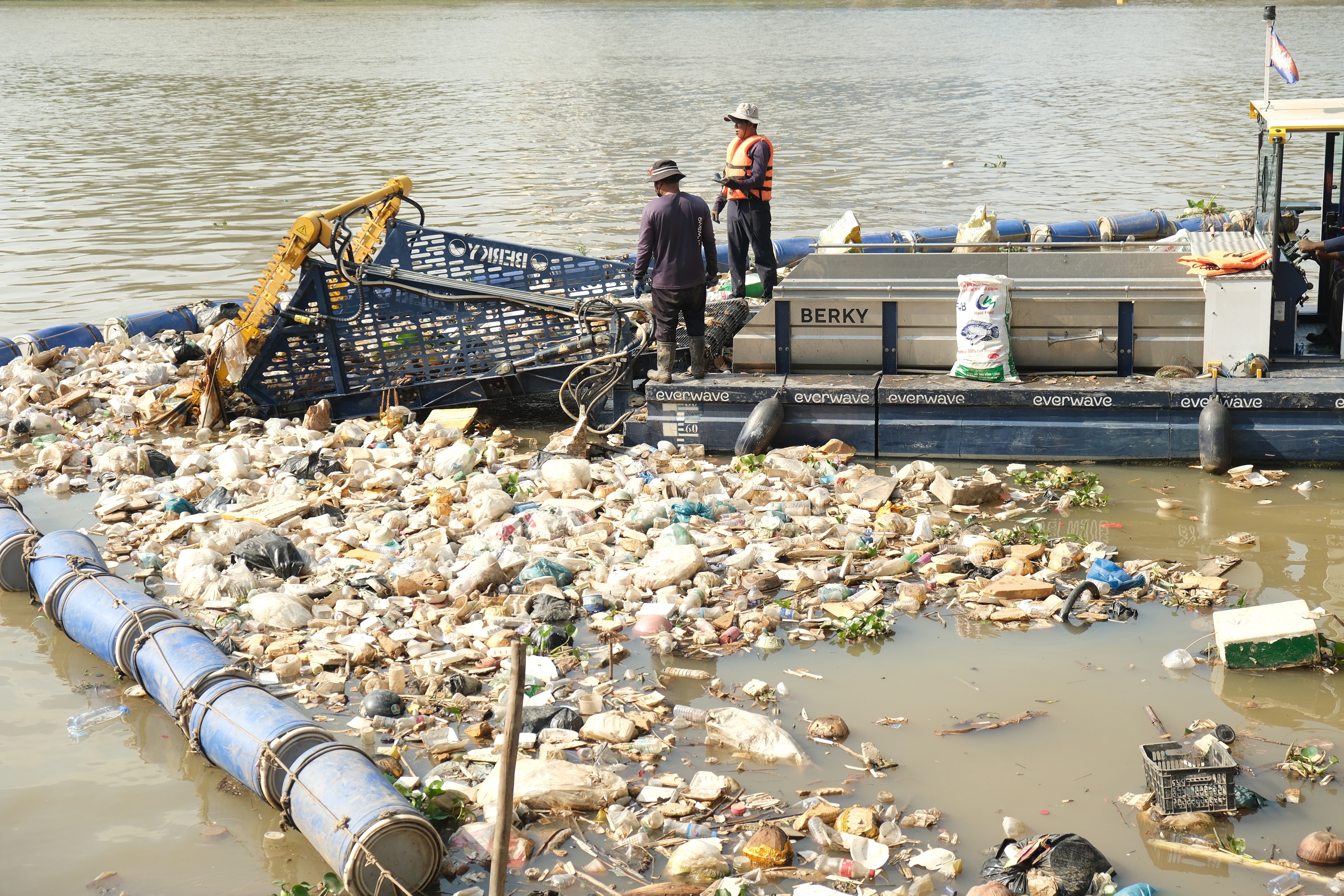
With the guiding principle ‘1 euro = 1 kilogram of waste’, the partners recovered 10,000 kilograms of waste from rivers in Cambodia at the start of the initiative.

Around 11 million tonnes of plastic waste enter the oceans every year. 

Without effective countermeasures, this volume could almost triple by 2040. Studies show that about 80 percent of marine plastic reaches the sea via roughly 1,656 rivers worldwide. To date, everwave has removed in excess of a staggering 2.4 million kilograms of plastic from rivers in Cambodia, Albania, and Thailand. 

The company uses specially-designed  waste collection boats, barriers, and manual cleanups to stop plastic before it reaches the oceans. 

At the same time, mobile sorting and recycling solutions return materials efficiently to the circular economy. AI support optimises collection routes to clean as many waterways as possible in a sustainable way.

The partnership began in Cambodia, where the initiative’s waste collection boats operate in rivers and canals around cities.

 With this action, PLAN-B NET ZERO and everwave advance their shared vision of a clean and sustainable future.

“Together with everwave, we have already removed 10,000 kilograms of waste from rivers in Cambodia. We want to use our good energy in the best possible way, because clean energy alone does not help without a clean planet,” Julia Schnitger, Head of Marketing at PLAN-B NET ZERO, proudly told That's Green.

everwave carries out cleanups directly on site and works closely with local authorities and partners. This structure anchors the measures long term in the regions and creates measurable impact.

PLAN-B NET ZERO transforms 100% sustainable energy from a commodity into a lifestyle product

Their platform expands energy supply with digital and service-based offerings, as well as software and licensing. 

Data-driven optimisation, user-focused features, and additional services beyond pure energy supply create a new, integrated user experience.

You can learn more by visiting

www.planbnetzero.com 

and 

https://everwave.de/en

Monday, 16 February 2026

Energy-hungry AI and air conditioning risk wiping out climate gains made by renewables

The rapid expansion of renewable energy is being used to meet rising electricity demands rather than displacing fossil fuels, according to new research by the University of Sussex.

Energy-hungry artificial intelligence data centres and greater use of air conditioning in a fast-heating world are among several factors threatening to undermine the climate gains made by renewables, according to the paper published in Nature Reviews Clean Technology.

Researchers from Sussex and Vienna’s Central European University found record growth in solar power in the first three quarters of 2025.

For the first time this rise in clean electricity outpaced global growth in electricity demand, yet the researchers warn this fragile balance is now starting to tip back the other way.

Since the 2015 Paris Agreement, which aims to limit global temperature rises, global wind and solar power generation has grown rapidly, yet emissions from the power sector have continued to rise as electricity demand has grown even faster. Analysis of global energy demand in 2025 found artificial-intelligence data centres as a major driver, alongside increased use of air conditioning as people struggle to cope with hotter temperatures.

Electrification of transport and consumer trends such as bigger cars were also highlighted as culprits. The report found these pressures are eroding efficiency gains made by individual countries. Projections to 2030 warn that increases in electricity use could consume most new renewable supply unless proactive measures are taken to limit demand.

“Renewables are scaling at record speed, but demand growth from data centres, cooling and transport is running just as fast,” Professor Felix Creutzig, Bennett Institute Chair at the University of Sussex told That's Green.

“We need policies that curb unnecessary energy use and shape demand so that clean electricity can have the intended effect of cutting emissions from fossil fuels.”

The report cites evidence from the European Union and major cities showing that demand reduction isn’t necessarily a matter of human hardship, and can coincide with economic growth and wellbeing for citizens through efficiency measures and urban planning that reduces dependence on cars. The authors conclude that aligning renewables with demand-side strategies is now central to meaningful decarbonisation.

The University of Sussex’s Bennett Institute for Innovation and Policy is hosting its annual Research Symposium on 19 February. Under the theme Zero Hour for Energy Policy: Researching the Race to Net Zero delegates will explore pressing issues that underpin the acceleration of climate change policies. Attendance is free, but registration is required.

https://share-eu1.hsforms.com/1asGMfMGKT22hUTPQ2Q7njQ2b9hne

Wednesday, 17 September 2025

NFU Energy: Supporting the Farming Community Toward a More Sustainable, Cost-Effective Future

In a time when energy costs are rising, regulations are tightening, and pressures to decarbonise are increasing, UK farmers need more than general advice — they need tailored, practical support. 

That’s where NFU Energy steps in.

What is NFU Energy?

NFU Energy is an energy consultancy service under the National Farmers’ Union (NFU) that’s specifically geared towards agriculture and horticulture

It does several things:

Helps farmers buy and sell energy — securing competitive energy contracts, handling the paperwork, managing supplier issues. 

Offers support to generate their own energy — through renewables like solar PV, wind, anaerobic digestion, etc., and helping with subsidies and feasibility. 

Helps with using energy more efficiently — audits, feasibility studies, advice on saving methods. 

Helps farmers stay compliant with regulations and make the most of schemes/discounts like the Climate Change Levy (CCL), RHI, etc. 

Key Ways It Helps Farmers

Here are some of the concrete benefits that NFU Energy brings to farms and growers:

Cost savings

NFU Energy helps members secure better energy deals, often with less effort on the farmer’s part. This includes negotiating contracts and acting as part of buying groups. 

For many farms, energy is a significant fixed cost. Even marginal savings on electricity, gas or fuel can make a real difference to profitability.

Access to renewable generation and diversification

Farmers are increasingly looking to generate their own energy — solar panels, wind turbines, battery storage — both to reduce their bills and potentially earn income from selling back to the grid. NFU Energy helps assess feasibility, find installers, understand the returns. 

Also, by partnering with accredited renewable installers (e.g. YLEM Energy, Infinite Renewables) NFU Energy reduces some of the risk and complexity. 

Regulatory compliance and financial incentives

Staying on top of energy regulation is tricky. For certain sectors (pig, poultry, protected horticulture), there are specific schemes like CCL (Climate Change Levy) discounts, Climate Change Agreements, etc. NFU Energy helps members manage their compliance, returns, data reporting. 

Practical help with efficiency

On-site energy audits, renewables feasibility studies, recommendations such as switching to LED lighting, variable speed drives for pumps/fans, electric vehicle alternatives — these are real, tangible actions that farms can take. 

Decarbonisation & long-term resilience

With net zero goals looming, farmers are under pressure to reduce greenhouse gas emissions. NFU Energy works with local authorities & schemes (for example the North Yorkshire fully-funded decarbonisation initiative) to give farmers the tools to reduce emissions and become more sustainable. 

Reducing administrative burden

Much of the complexity of energy contracts, regulatory reporting, subsidy applications, etc., is offloaded from farmers to NFU Energy. That frees up time and reduces risk of costly mistakes. 

Challenges & Considerations

While NFU Energy offers a lot, it's not a magic wand. Here are some challenges/limitations:

Upfront costs: Even when feasibility and subsidy help is available, installing renewable technologies or making major efficiency upgrades can require significant capital.

Complexity & bureaucracy: Regulations, schemes, compliance can still be confusing, and not all farms have the capacity to act quickly.

Suitability: Not all farms will have the right geography, scale or infrastructure for certain technologies (solar, wind, battery storage).

Long payoff periods: Some investments only pay off after many years; farmers under financial pressure may struggle to wait.

Why It Matters Now

A few reasons NFU Energy is especially relevant in the current climate:

Energy prices remain volatile. Farmers face rising costs for electricity, gas, fuel, and are exposed to global energy markets.

Environmental regulations are tightening, plus there is increasing pressure (from policy, from consumers) to reduce carbon emissions.

Government grants and “green” schemes are more available now, but navigating them effectively is tricky; having specialist support gives an advantage.

Diversification is increasingly important for farm income resilience. Generating energy or selling back to the grid can provide an alternative revenue stream.

Success Stories & Examples

Here are a few examples of what NFU Energy has already done:

A pilot scheme in the North of England where 16 farms received free energy audits and renewable feasibility assessments. The recommendations included standard measures (LED lighting, variable speed drives) and options for renewables. 

The North Yorkshire decarbonisation initiative: 30 farms will be chosen to receive fully funded assessments (energy audits, renewables feasibility, soil carbon testing etc.) to help them reduce greenhouse gas emissions while improving efficiency. 

What Could Be Improved / What to Watch For

To maximise the benefit of NFU Energy, here are some areas that might be looked at:

Ensuring that assistance reaches smaller farms, which may have less capacity or fewer resources.

Continuing to reduce paperwork, simplify applications, speed up decision-making for grants/subsidies.

More accessible financing options (loans, grants) so that farms don’t need to front large sums.

More regionally tailored advice, since what works (climate, grid access, planning permission etc.) can vary a lot.

Clear guidance and transparency around the payback times, risks, maintenance for renewable installations etc.

In Conclusion

NFU Energy represents a powerful resource for UK farmers and growers: helping reduce energy costs, improve efficiency, comply with regulations, and move toward more sustainable, resilient farming. Especially in times of rising costs and climate concern, having such specialist support is vital.

For those working in agriculture, keeping an eye on what NFU Energy offers — audits, renewable feasibility, compliance help — is more than just “nice to have”. It can make a material difference to the bottom line, to farm sustainability, and to future proofing operations.

To learn more visit https://nfuenergy.co.uk

Tuesday, 11 March 2025

Rooftop solar could cut global warming and provide 65% of the world’s electricity, new study finds

Covering the whole world’s rooftops with solar panels could provide the majority of global electricity, and even lower temperatures by 0.13 degrees according to some recent research by the University of Sussex.

Rooftops cover approximately 286,000 km² of the world, an area similar in size to Italy or New Zealand. If every suitable roof was used, the study found photovoltaic solar (rooftop PV) could generate 19,500 TWh of electricity per year. 

This would cover 65% of current global consumption and almost completely replace fossil fuel-based electricity, if coupled with load shifting and battery-electric storage.

The researchers used climate modelling techniques to simulate the impact of widespread solar deployment by 2050. 

When it comes to global warming 0.13 degrees Celsius is a significant fraction. A 2023 Nature study estimated that for every 0.1 degree of warming above current levels, another 140 million people will be exposed to dangerous heat levels.

Urging policymakers to prioritise this technology, the researchers argue that solar power offers taxpayers better value for money than nuclear. University of Sussex climate and policy researcher Prof Felix Creutzig said: “Solar is now outcompeting nuclear power in cost, deployment speed and environmental risks. 

"Given its immediate carbon reduction benefits governments should consider shifting incentives toward rooftop PV instead of nuclear. This goes for cooler countries like the UK as well as those with more obvious solar potential.”

Solar power costs have declined dramatically over the past decade. Data from the International Renewable Energy Agency suggests the levelised cost of electricity for solar is now in the range of £30 to £50 per MWh, while new nuclear projects such as Small Modular Reactors are estimated at between £100 and £150 per MWh.

Dr Creutzig adds: “Beyond carbon savings, reducing fossil fuel dependence also means cleaner air and better energy security. With so much untapped potential in solar it’s hard to see how governments can justify investing in nuclear, or as yet unproven carbon capture projects.”

Today’s paper advocates for global cooperation to deploy solar panels where they can be most powerfully used. 

Despite being the continent with the world’s highest solar energy resources, Africa accounts for only 1% of rooftop PV installations, highlighting the need for investment. High carbon intensity and large building stocks mean that East Asia has the highest potential in rooftop PV for climate change mitigation. Meanwhile, North America and Europe, despite lower solar intensity, have a high combined installation potential of over 4,300 GW or 25% of global capacity based on their high building stock.

https://www.sussex.ac.uk

Friday, 20 October 2023

Conrad Energy kicks off new partnership with Harlequins

Harlequins are thrilled  to announce a new partnership with Conrad Energy which has today been unveiled as the Club’s Official Power Partner and Sleeve Sponsor.

In an exciting new partnership, the Conrad Energy logo will feature on the sleeves of the Harlequins Women’s and Men’s shirts for the 2023/24 season, commencing this weekend with matches against Gloucester-Hartpury and Exeter Chiefs. 

The partnership will also feature significant Conrad Energy branding throughout The Stoop, alongside a range of key initiatives, supporting the Club’s commitment to driving sustainable energy growth.

Formed in 2016, Conrad Energy are a leading energy producer with more than 70 sites throughout the UK. As an Independent Power Producer (IPP), Conrad Energy are at the forefront of the energy transition, helping the UK move towards a sustainable, net zero carbon electricity system by balancing the grid when renewables can’t meet demand.

Conrad Energy also work closely with businesses to help drive down their energy costs and carbon footprints through a variety of innovative products and services. With a pipeline of more than 1GW of their own projects and a growing base of business customers, Conrad Energy are powering a changing world.

Commenting on the new partnership, Conrad Energy’s CEO Steven Hardman said: “We’re delighted to partner with a world-famous club like Harlequins. The values they hold dear such as teamwork, commitment, performance and creativity are similar to our own, so it feels like a really great match. We look forward to a strong and successful relationship”.

Harlequins CEO Laurie Dalrymple added: “We’re thrilled to announce our new partnership with Conrad Energy. Conrad Energy are leading the power transformation in the UK and their determination to improve efficiency aligns completely with the Club’s commitment to drive smarter and sustainable power solutions.

“We’re excited to form this new relationship with Conrad Energy and we’re looking forward to having their logo proudly displayed on our Harlequins Women’s and Men’s shirt for the season ahead.”

Both parties would like to thank Very Media for their support in developing this relationship.

To learn more about Conrad Energy visit: www.conradenergy.co.uk

LONGi Solar Modules Power Charging Hub for 180 Electric Vehicles at UK’s National Exhibition Centre

The charging hub of UK’s National Exhibition Centre in Birmingham is being powered by an 80 kWp solar carport.

The Gigahub can charge 180 electric vehicles simultaneously and is an example of producing clean energy for clean energy. 

The 80 kWp photovoltaic installation was accomplished by sustainable energy solutions expert Ineco Energy PV with modules from LONGi Solar, the world's largest manufacturer of PV modules and solar wafers. SolarEdge provided the smart energy solutions and Bluetop Solar Parking the solar carport installations for the charging hub.

“We're proud to support a project like this new Gigahub at the heart of the UK motorway grid at the NEC in Birmingham. At LONGi we follow the concept of “solar for solar”, meaning to produce clean energy with clean energy. Charging electric vehicles with solar energy thus corresponds to our DNA at LONGi", said Sean McSorley, Sales Manager UK at LONGi.

“With transport accounting for over 24% of total UK emissions, EV Infrastructure is an essential part of the UK's transition towards Net Zero. The NEC Gigahub is a flagship site that will showcase some of its 7m annual visitors and 60m traffic count what the forecourt of the future looks like, today. Powered by renewables including from the on-site solar canopy in the day and light up by LEDs at night, the charging hub provides clean and convenient EV charging infrastructure. LONGi Solar has been a reliable partner for us providing highly reliable and efficient modules,” said Angus Rose, Director of Ineco Energy.

www.longi.com

Monday, 18 September 2023

Conrad Energy "very proud" to be involved in RiversMeet solar panel deal

Conrad Energy is "very proud" to be a part of the celebrations at RiversMeet leisure centre in Dorset last week. 

The centre is a truly fantastic example of what's possible when holistic long-term thinking, funding and a committed team of experts come together to work as a team.

With community and sustainability at the heart of their decision making, they have been blazing a trail for others to follow.

Their whole-building approach to energy planning has seen them cut their energy demands by around 50% since 2019 through changes to pool heating, ventilation and chlorination, lighting and showers. 

Everyone is hugely impressed with what the team here have achieved and Conrad says: "We’ve learned a few things that we can share with others, especially when it comes to making swimming pools more eco-friendly."

The final piece of the puzzle was solar panels for the roof. Conrad Energy’s fully funded solutions enabled the Gillingham Community and Leisure Trust to avoid having to raise more funds before completing their landmark project.

Conrad Energy’s CEO, Steven Hardman, said “this kind of overhaul is a huge undertaking, and for the team here at Gillingham Community and Leisure Trust to have had the vision, pulled the team together and brought the whole thing into reality is truly remarkable. Conrad Energy are absolutely delighted to have been able to provide the solution that completes the project and look forward to a long-standing partnership with RiversMeet."

https://conradenergy.co.uk

Saturday, 14 April 2012

PVC-Doors.net Informs Homeowners on Government’s Plan for Energy Efficiency

As the government reveals its plans for energy efficiency, PVC-Doors.net announces its money saving offer online. This week, Nick Clegg joined leading environment and industry figures and told of the government’s plans to help the poorest and most vulnerable in society to reduce energy bills and ensure homes across the UK are more energy efficient.

The news came this week that the government’s Green Deal will improve the nation’s poorest and least energy efficient homes at no upfront cost. For those that required extra financial help, energy companies would supply the loan which would allow them to upgrade their homes.

Nick Clegg announced that at least £540 million would be set aside for the government’s home energy efficiency programme and around £250 million of this would go towards the installation of heating and insulation in homes. An estimated 270,000 low income and vulnerable homes are expected to be helped by 2015.

As the government works towards a more energy efficient Britain, PVC-Doors.net continues to offer its support to homeowners who look to install double glazing in their homes. PVC doors and windows are available from PVC-Doors.net and each of which is fitted with double glazing as standard to ensure the home is energy efficient all year round.

For those that wish to find out more about PVC doors prices with up to 75% off, simply visit PVC-Doors.net where more information can be found.

Monday, 27 February 2012

Church, charity and business leaders call for community energy revolution

The National Trust, with a coalition of civil society leaders from UK organisations with over twelve million members, has called for community energy to play a substantial role in meeting the country's climate change targets.

Leading figures from The Co-operative; the National Trust; The National Federation of Women's Institutes; the Church of England and Campaign to Protect Rural England will today meet Chris Huhne, Secretary of State for Energy and Climate Change, to launch their joint 'vision for community energy', which supports dramatically scaling up the number of community owned renewable energy projects across the country, and to discuss how the Government can best assist.

The National Trust has been working on its low carbon villages (LCV) project which aims to tackle the disillusionment and helplessness that many people feel about climate change in two Trust owned villages, Coleshill in Oxfordshire, and Cambo on the Trust's estate at Wallington, Northumberland. Through a process of engagement over a three-year period, LCV aimed to develop positive and practical solutions that could set villagers on a journey to low-carbon living.

The energy projects the charity has undertaken across all of its places as part of its commitment to generating half of the UK's energy from renewable energy sources by 2020 can be seen on the National Trust energy map, found on the charity's site.

Patrick Begg, Director of Rural Enterprise at The National Trust, commented: "Many other European countries are way ahead of the UK, as we found out when visiting German communities last year. Germany produces over 20 per cent of its electricity from renewable sources, with communities generating about a quarter of this. In the UK, less than 1 per cent is generated by our communities, a figure this coalition wants to dramatically increase by 2020. We are asking the Government to support us in this."

At the same time, local energy schemes will receive another boost today as The Co-operative launches its Community Energy Challenge, a competition which will result in six communities across the UK receiving support to set up their own energy projects. The Co-operative is setting aside £1 million in 2012 to support community energy. This will involve everything from mentoring for start-ups through to the underwriting of co-operative share offers in local co-operatives.

Paul Monaghan, Head of Social Goals at The Co-operative, said: "We want nothing less than a clean energy revolution, with communities controlling and benefiting from their own renewable energy. Talk of a new dash for gas shales, which could see up to 3,000 wells installed across the UK, highlights the choices we face - more and dirtier sources of fossil fuels or clean energy owned and controlled by communities."

In the coming months and years, the coalition, who were brought together by The Co-operative and its partners, sustainable development organisations Forum for the Future and Carbon Leapfrog, collectively plan to meet at regular intervals to make practical steps to drive the shared vision forwards and champion community energy among their members. Late last year coalition representatives visited Germany to see examples of other successful community schemes.

Monday, 6 February 2012

npower installs solar power at Birmingham Airport

npower will help Birmingham Airport to save 22 tonnes of carbon dioxide each year with the installation of 200 solar panels on the roof of its terminal. The 1.6m x 1m panels will generate 40,000 kWh a year; sufficient to power 12 average sized houses.

The Airport has worked in partnership with npower to install the 50kpw solar photovoltaic (PV) systems to provide renewable green energy on-site as it reduces its dependency on mains power electricity. 

This is the first renewable energy and zero carbon installation on the Airport site and is part of a wider project to improve its energy management and reduce its carbon footprint. 

The solar PV panels capture the sun’s energy using photovoltaic cells, which then convert the sunlight into electricity and even on cloudy days can still produce some electricity, making it incredibly efficient. The system also generates no greenhouse gases, helping the Airport reduce its carbon footprint.

Paul Kehoe, the Airport’s CEO, said: "It's exciting for the Airport to present such a visible commitment to energy reduction. Managing our greenhouse gas emissions is a high priority for the company and we're always seeking new opportunities to work with partners to reduce our carbon footprint."

As a leading provider of solar PV in the UK for commercial properties, npower was selected to carry out the installation in partnership with Photon Energy. From initial meetings in October, npower was able to complete full site surveys, detailed designs, installation and commissioning in just over six weeks, ensuring the Airport could immediately benefit from the green energy. As a result, there has already been a reduction in energy consumption since the panels were installed in December.

Graham Ryott, Development Manager at npower, added: "Birmingham Airport is committed to a sustainable future so installing solar PV as a way of generating energy is fundamental to its on-going programme in reducing its environmental impact. As one of the busiest Airports in the country, Birmingham is understandably a large energy user but supplementing its energy use with on-site generation is a positive step for the site’s future and npower is delighted to be involved."

An added incentive of solar PV is the Government's Feed-in-Tariffs (FITs), which provide payment to the companies for every unit of electricity generated by solar PV panels.

For more information about Birmingham Airport and its environmental programmes, please visit www.birminghamairport.co.uk.

Tuesday, 24 January 2012

A consumer guide to what The Green Deal is and how it may affect you

New research from Pilkington energiKare™ has found that three quarters of us don’t know what the Green Deal is, with nearly one in five (17 per cent) admitting we have heard of the term but don’t know how it will affect us. To help explain the Green Deal and how it can be of benefit, Tony Smith, Business Development Manager at Pilkington Building Products, shares his expert advice.
What exactly is The Green Deal?

The Green Deal is the flagship government energy efficiency initiative contained within the Energy Bill 2011, which aims to give homeowners the opportunity to reduce energy use by installing insulation improvement measures and improving heating and lighting efficiency in their homes. The Green Deal will also give tenants the right to ask their landlords for reasonable upgrades to their homes.

The Green Deal is a loan scheme allowing people to upgrade their homes without having to pay for it upfront. An assessment of the property is made by a certified assessor who will recommend measures to save energy. The government has introduced a Golden Rule that requires that the cost savings from the reduction in energy use must cover the Green Deal loan repayments making the scheme self financing. The Green Deal Finance repayments will be collected through the electricity bill.

Why is The Green Deal being introduced?
Many of us want to improve our property and help the environment but the initial financial outlay of updating a property is off-putting, and for many tenants across the country, paying for updates to their rented home out of their own pocket is simply not an option. The Green Deal aims to help by covering the upfront expenditure with a loan from a government regulated Green Deal Provider.

What sort of energy updates will be included in the Green Deal?
Pilkington Building Products has been lobbying the government to encourage inclusion of energy-efficient glazing into the Green Deal in order to help meet the UK objectives to reduce carbon emissions in future. Improvement measures that will be covered by the Green Deal scheme will include energy-efficient glazing, solid wall insulation, loft and cavity wall insulation, heating upgrades, ventilation and lighting improvements and other energy efficiency measures.

We are pleased that energy-efficient glazing will be included in the Green Deal scheme. Energy-efficient glazing can help homeowners and tenants significantly save energy and reduce bills. Pilkington energiKare™ double-glazing can help people to save up to 20 per cent on heating bills, compared to single glazing.

The right glass such as Pilkington K Glass™ plays a key role in the prevention of energy loss through windows and is a vital part of making a home sustainable. Energy saving measures are essential for homeowners, landlords and businesses to reduce CO2 output and reduce the cost and dependency on energy.

How will the installations be affected if I move to a new home?
The Green Deal loan charge is attached to the electricity meter so if the homeowner sells the property the new owner will get the benefit of the measures and continue the loan repayments through the electricity bill. People can get worried when you mention finance and loans, and immediately think of debt – but you have to think of it very differently to buying a sofa or a car on finance and paying it back over many years. The car or the sofa will diminish in value, but because the products included in the Green Deal are required to meet the governments Golden Rule, saving energy and money on your energy bills, they will be continually be working for you, so over the period of the loan the measures should have paid for themselves. No specific loan period is set for the Green Deal, but full repayment must be made within the guarantee period of the product.

Green Deal Summary
The Green Deal would consist of the following steps:
1. An independent and impartial accredited assessor will carry out an energy survey of the property showing advice on the best energy-saving solutions.
2. Green Deal funding is to be provided only through a regulated Green Deal Provider which is then paid back through savings on energy bills, making properties more energy economical immediately.
3. Homeowners then receive the energy efficiency package, safe in the knowledge that only accredited measures will be installed by qualified and accredited installers.
4. The homeowner will also have the peace of mind in knowing that the Green Deal Provider is required by government to guarantee the measures for the full life of the Green Deal loan.

In the meantime, while we wait for the Government’s Green Deal plans to be finalised, here are a few simple suggestions on how to improve your home’s energy efficiency.

Energy-efficient light bulbs – Fitting just one energy saving light bulb can save you on average £2.50 a year - and by swapping all the light bulbs in your home for energy-efficient ones, you could save around £37 per year*. Energy-efficient bulbs will produce the same amount of light as a standard light bulb but will use a fraction of the electricity.

Turn down the thermostat – Invest in a digital room thermostat and timer, this will automatically reduce the heating while you are asleep or out at work. As much as 10 percent can be saved on heating bills by turning the thermostat back by just a few degrees.

Eliminate draughts and Insulate – Inspect your home for draughts that will let the cold air in. Particularly feel for air coming in around doors, windows and electrical sockets. If you find any draughts, seal them! Make sure your loft is well insulated, the loft is a common source of draughts and the cold air quickly finds a way to circulate through the home. Insulation is relatively easy to install and it could save you up to £150 a year.

Insulation jacket for your hot water tank – Keep your hot water cylinder warm by wrapping an insulator blanket around it as this will reduce the rate at which it loses heat. Also try adding insulation to internal exposed pipes in the airing cupboard and around the cylinder, as this will also help conserve the heat.

Turn off at the switch – don’t leave electrical appliances on standby – This means that the appliance is still using electricity and therefore wasting energy. It has been estimated that more than £740m of electricity is wasted every year in the UK by things being left on standby the equivalent of more than two power stations' output. So make sure you switch off at the main power source ensuring you save both energy and money.

Glass and Glazing Federation (GGF) energy saving calculator for a mains gas, detached house www.ggf.org.uk/energy-savings-calculator

www.pilkington.co.uk/sustainability

www.pilkington.co.uk

Sunday, 8 January 2012

Planitherm Glass Is Clear Solution To Solar Panel Subsidy Cuts

An innovative new glass that can help shave 28% off energy bills is giving fresh hope to those households affected by the government's decision to reduce the subsidy available for solar power.

Financial incentives for householders to produce their own electricity are due to be cut by the government from 43p for each kilowatt-hour to 21p - this is for anyone who had solar panels installed after 12 December 2011 I.

In addition to halving financial incentives, the government has stated it will now be compulsory for a home that wants to install solar panels and benefit from the subsidy to hold an Energy Performance Certificate* of at least level C**. The new ruling means a home that has an energy band rating of between G - D would need to put other energy saving solutions in place before it reaches level C and is eligible for solar panel incentives.

Craig Dodsworth of Saint-Gobain Glass comments: "Tariffs paid to homes for electricity generated by solar panels have been halved for those installing them after 12 December and solar firms could see huge reductions in work as householders becoming disillusioned with the scheme. Through installing new windows with Planitherm, people can achieve an environmentally friendly, energy efficient alternative and reduce their energy bills. With 26% of energy loss in the home being through the windows, installing Planitherm glass will help less efficient homes move towards the C rating required for the solar panel subsidy.

"Our secret is simply an invisible coating applied to the glass itself, which can capture free heat from the sun and reflect heat already inside back into a room, rather than allowing it to escape out of the windows. With Planitherm, households can realise up to 28% savings on energy bills and it is a peace of mind investment, which is attractive to householders, especially in these austere and uncertain times."

The next generation energy saving glass can be fitted in any double or triple glazed window. Costing around the same as normal window glass, it provides the easiest route possible to an A rated window(II). In fact, energy efficient windows with Planitherm glass in them can reduce heat loss by 50% compared to traditional windows and frames.

PLANITHERM can generate savings of up to 28% on household energy bills - the equivalent of up to £478 per home per year when homeowners upgrade from single glazed windows to double glazed windows with PLANITHERM glass in them. The glass can also be used in doors, facades, conservatories (with solar control glass) and is available combined with a self-cleaning function.

PLANITHERM can be ordered and installed through its national Installer Network of UK members. Find a local approved installer by visiting www.planitherm.com/find-an-installer.

Monday, 28 November 2011

ABB gives its name to new educational facility aimed at teaching new ways to save energy

ABB supports new educational facility
ABB has given its support for a new facility built by City College Plymouth aimed at encouraging the uptake of energy efficient, sustainable technologies in industrial, commercial and residential projects in the UK.

Named the ABB Energy Centre, the hi-tech facility is the centrepiece of a pioneering new initiative being led by the College to connect education and industry with the latest low carbon technology and methods.

Working with its local partner, Western Electrical, ABB has supplied a range of equipment for use in the Centre, including its i-bus (KNX) intelligent building controls, variable speed drives, solar inverters and various instruments from its measurement products range. This equipment features throughout the Centre, which incorporates 14 purpose-built bays for demonstrating and training on a variety of energy saving technologies and techniques.

ABB's i-bus (KNX) intelligent building controls are used extensively in one of the bays. Built around a smart home scenario, the bay demonstrates how ABB's i-bus (KNX) technology can be used throughout the home to help improve energy efficiency.

The ABB Energy Centre also features technologies and training systems around grey water harvesting, solar thermal paneling, photovoltaics (PV), air source heat pumps, ground source heat pumps, combined heat and power (CHP) systems, variable speed drives and environmental monitoring systems.

ABB became involved in the project after being recommended to City College Plymouth by Stuart Morrison, MD of electrical distributor, Western Electrical.

"Western Electrical has worked closely with City College Plymouth for many years, sponsoring its electrical apprenticeship programme to help get young people into work in the electrical industry," says Stuart. "When the College came to us with the idea of building a dedicated training centre to showcase the energy efficient and environmental benefits of today's available technologies, I immediately suggested ABB to help bring the idea to fruition."

The ABB Energy Centre will also have its own dedicated conference and training facility, showcase areas and an interactive workshop. It will give both students and visiting schools an opportunity to explore a range of ideas and processes through interactive activities. Academic and commercial training will be delivered through the College with the help of ABB and construction giant Cowlin, covering the use of low carbon innovations and products.

ABB's involvement in the Energy Centre project is part of its continuing focus on encouraging UK users to help save both energy and cost through the adoption of energy efficient technologies.

"With energy efficiency and sustainability at the very core of ABB's business, we are always keen to find new ways to promote awareness of our technology and the ways in which we can help both people and companies to better manage their energy consumption," says James Haigh, General Manager for ABB's UK Low Voltage Products business. "Our involvement in City College Plymouth's Energy Centre project is a great way for us to take an active role in educating and training the workforce of the future about how they can use energy more sustainably."

The ABB Energy Centre will officially launch on 8th December 2011 and will be opened by TV presenter and sustainability champion Charlie Luxton.

Says Charlie: "The ABB Energy Centre will play a key role in demonstrating the value of low carbon technology to a variety of audiences and I am certain it will bring huge benefits to the region's economy for years to come."

As well as students, the Centre will also be open to local groups such as the ECA and NICEIC, school children, and also local companies including architects and consultants, to enable them to see how technology is offering new possibilities for saving energy and protecting the planet for future generations.

"It's great to have a location based in the south west of England that brings together the leading technologies available within the electrical industry where we can train and educate our industry to apply the environmental and technological benefits that this technology brings," says Western Electrical's Stuart Morrison.

"By appealing to everyone from architects through to young schoolchildren, the ABB Energy Centre can play a significant role in promoting the ideas of energy efficiency and sustainability to help change the world we live in."

Viv Gillespie, Principal at City College Plymouth adds: "We are thoroughly looking forward to showing what we will be able to deliver for students and companies alike at the ABB Energy Centre, which we are confident will put the College at the forefront of the sustainability agenda."

For more information about either the ABB Energy Centre or ABB's energy-saving products, please email lv.products@gb.abb.com or call 02476 368500 ref. 'Energy saving products'.

Sunday, 20 November 2011

RWE npower renewables receives green light for green energy

RWE npower renewables has been granted planning permission to build a twelve-turbine wind farm located between the villages of Bozeat, Harrold and Lavendon.

Nun Wood Wind Farm was the subject of a thorough and rigorous public inquiry, held before a Government appointed Planning Inspector. The public inquiry, which concluded in October 2011, was open to all local residents and businesses.

Matt Pinfield, Regional Manager for Eastern England at RWE npower renewables said: "We are delighted with the Planning Inspector's consent for Nun Wood Wind Farm. It is a superb location for a wind farm - well designed and appropriately sited and will generate enough energy to meet the annual average needs of thousands of homes each year. The Nun Wood Wind Farm will make a substantial contribution to clean energy supply and the reduction in emissions of greenhouse gasses."

In his written report the Planning Inspector seemed to agree that there would be some harm caused by the creation of the wind farm. However, stated: "The degree of harm in landscape and visual amenity is limited. In my judgement the harm is outweighed by the urgent need for renewable energy as promoted in national and regional policies and the wider environmental and economic benefits that it would bring over a 25 year period."

As well as Nun Wood Wind Farm generating enough electricity to meet the annual average needs of between approximately 13,700 and 15,600 homes annually, the local community could receive a windfall of at least £540,000 over the lifetime of the wind farm.

This funding would provide a valuable long term source of income for the local community. It is flexible funding that can address what is really important to communities and has the potential to fund large and small projects as well as capital and revenue activities. The annual funding of £1,000 per megawatt (MW) per year would become available when the wind farm is operational and local people can be involved in deciding how it is distributed.

Matt Pinfield added: "We have consulted with the local community during the planning and development of this wind farm and as a responsible developer we will continue to work with the community throughout the next stages of the project as the wind farm is constructed. We will be providing detailed construction and traffic management plans to Milton Keynes Council, Bedford Borough Council and the Borough Council of Wellingborough which will also be available for public consultation."

Construction of the wind farm presents opportunities for local economic benefit and employment. Whilst current legislation and competitive tender process for each part of the works is followed, it is normal to expect that local suppliers and contractors with appropriate skills will be well placed to tender for contracts.

Monday, 14 November 2011

61% say Energy-Saving is most popular reason for replacing windows & doors

Nick Ross & Tony Pickup; DGCOS OmbudsmanDGCOS (The Double Glazing and Conservatory Ombudsman Scheme) commissioned a survey by Opinium Research , which revealed that 61% of homeowners now consider reducing energy bills as the most popular reason for replacing windows and doors.

This radical change constitutes a major shift in consumer priorities. Over the last 30 years homeowners have usually cited improving the comfort or look of homes, or improving security as their top reasons. Now the next most important reasons trail 18% behind energy-saving in the survey: 43% say making their home more comfortable is their most important reason, and 42% say it is making their home look better.

This summer, newspapers were full of headlines of soaring domestic energy price increases which may have prompted homeowners to give energy-saving as their number 1 reason for replacing their windows and doors.

Tony Pickup (DGCOS Founder) says “Energy-saving used to be an accidental by-product of installing new windows and doors; it wasn’t even on the radar but suddenly it’s front of mind because of rocketing energy bills this summer: gas prices rose 22% and electricity prices rose 12%. People living in outlying areas are particularly hard-hit and almost being held to ransom by a price hike of 28% in heating oils since last September, so homeowners have grasped an important message that more energy-efficient windows and doors will help them cut fuel bills.”

In response to continuing consumer misery highlighted in TV programmes such as Rogue Traders and Cowboy Builders, Tony Pickup founded The Double Glazing and Conservatory Ombudsman Scheme (DGCOS) to help the industry clean up its image. DGCOS provides the most comprehensive consumer protection cover in the home improvement industry and has over 200 members nationwide who install double glazing products, conservatories, doors, porches, fascias, soffits, roofline products and orangeries.

The organisation’s ambassador is TV presenter and consumer champion Nick Ross who fronted BBC Watchdog and Crimewatch for many years.

Tony observes “Even when energy price rises headlines fade, the need to reduce fuel bills long term remains strong because of the recession and squeezed incomes because even more energy price rises are expected.”

But before signing contracts with an installer, Tony recommends homeowners do their research into the strength of consumer protection being offered. He says ‘There are numerous trade bodies and organisations offering very different levels of consumer protection. You have to read the small print or, for genuine peace of mind, use DGCOS members who automatically offer full deposit protection and Insurance Backed Guarantees.”

Under DGCOS, in the unlikely event that an installer goes into liquidation or ceases trading, consumers are still protected unlike other schemes which may leave consumers stranded. DGCOS also provides a completely free dispute resolution service, whereas other schemes may charge for these services. Most importantly, the DGCOS Ombudsman has the authority to adjudicate and make legally binding awards backed up by a Compensation Fund so consumers are comprehensively protected.

Tony’s parting shot is ‘If you invest in new energy-efficient double glazing, you not only insulate your home but you future-proof your wallet against energy price increases as well! And if you use a DGCOS member, you are guaranteed a job completed to the highest levels of customer satisfaction!”

The online Omnibus survey of 2,014 nationally representative UK adults over 18 was carried out between 27th and 30th September 2011. Of these, 1,224 or 61% were homeowners.

FACTFILE:
Appendix: Other key findings including age & regional differences : -

Reducing their carbon footprint seems to have failed to convince homeowners or capture their interest, with only 12% of respondents placing it within their top three reasons for replacing windows or doors.

18-34 years olds emerged as more influenced by making their home look better than older age groups, with 45% of 18-34s citing aesthetics an important reason for installing windows and doors as opposed to only 39% of over 55s.

Making their home look better was significantly more important to homeowners in Yorkshire & Humberside (48%), East Midlands (51%), West Midlands (49%) and the South East (44%) than in the South West (25%).

Over 55 year olds (48%) emerged as more likely to replace their windows and doors to make their home more comfortable than 18-34s (32%) but increasing the value of your home emerges as of less importance as homeowners get older. 34% of 18-34 year olds cited it compared with 25% of 35-54 year olds and just 18% of over 55s

Website: www.dgcos.org.uk Email: info@dgcos.org.uk Tel: 0845 053 8975

Wednesday, 7 September 2011

UK Solar Energy Website Guarantees Low Prices With The Launch Of Its New Nationwide Installer Network

Total Solar Energy, a top UK solar power information website, has just added a nationwide solar installation service to it's list of services.

Visitors to their website can now receive no obligation quotes for solar energy from leading installation companies in their local region. Visitors fill in a short form which is automatically sent to 2 or 3 carefully selected local solar installers who will then battle it out for the job ensuring a low price for the customer.

Explaining the new service, co-owner Gary Hodgson said, "My email inbox is always full of enquiries from people wanting us to quote them prices to install solar power. But it's a service we didn't offer ourselves. But due to the interest and volume of enquiries we were receiving I decided it was something my website visitors needed."

"So I contacted all of the leading solar energy companies and set up one of the largest networks of installers in the UK. All our registered installers have been vetted and are 100% MCS accredited so customers needn't worry whether they are hiring a bunch of amateurs."

"It works well on both levels as local firms receive local jobs and the end customer receives a really competitive price without having to spend their valuable time researching different companies. We've basically done all the hard work for them."

With the cost of solar panels dropping due to better technology and increased competition, Gary believes there has never been a better time to install solar energy. "I think that people are fed up of the ever rising costs of their fuel bills. And if you factor in the current push to go green then you have a lot of interest. The introduction of the feed-in tariff has also contributed greatly to the demand because many solar installation companies are now offering to lease free solar panels to homeowners as long as they are able to keep payments for the excess electricity that is fed back into the grid. Which is a win-win situation for both the company and homeowner."

To receive a quote for solar power installation from an accredited company in your local area or to learn more about solar energy go to www.totalsolarenergy.co.uk

Wednesday, 3 August 2011

G24 Innovations leads the way with positive green actions

Solar pioneer G24 Innovations (G24i) has celebrated the official opening of a 120 metre tall, 2.3 MW wind turbine at its Cardiff manufacturing facility, marking the realisation of a dream to produce renewable energy products using only renewable energy.

Unveiled by the Rt. Hon. Oliver Letwin MP, Minister of State at the Cabinet Office, the Ecotricity-owned turbine will produce enough electricity to power the entire 23 acre site and will save more than 2,500 tonnes of CO2 a year.

G24i also used Mr Letwin’s visit to announce the launch of a new on-site electric vehicle programme. Having installed two charging points, surplus wind power will now be used to run two Peugeot iOn city cars, allowing staff and visitors to travel around Cardiff and the local area in a more sustainable way.

G24i’s founder, Bob Hertzberg points out: “This is the realisation of our ‘green from green’ dream. For the first time renewable energy will be used to directly manufacture renewable energy products, a virtuous circle at the heart of the Government’s vision of a low-carbon economy.

“Sustainability runs to the very core of our business strategy. Building a turbine and introducing EVs are significant steps and we are already exploring other innovative ways in which we can drive down our environmental impact. Our goal is to be a true global pioneer – not just in the technology that we create, but also in the business practices we employ.

“We would like to thank all of our partners in this programme, Cardiff City Council, Ecotricity and Peugeot.”

Mr Letwin added: “I am delighted to open G24i wind turbine, and applaud their innovative approach to sustainable, low carbon energy production. Onshore wind must play an integral part in tackling the two major energy challenges we face – the pressing need to reduce carbon dioxide emissions and the equally pressing need to deliver secure, affordable energy supplies.”

G24i is the first company in the world to commercialise dye-sensitised solar cells (DSSC), the only third generation solar technology ready for mass production. DSSC is a breakthrough energy harvesting technology that can change the relationship between everyday products and the energy they rely upon, removing the need for expensive and environmentally unfriendly batteries or plug-in solutions.

G24i’s cells perform well in both low levels of sunlight and indoors, mimicking the photo-synthesis process in plants to recycle ambient light. Independent tests have shown the module to be the most efficient indoor light energy harvesting system in the world, meaning that indoor products such as keyboards and remote controls can, for the first time, produce the power they require to operate - independently.

Dale Vince, Founder of Ecotricity commented: “We're delighted to have built this windmill to power G24i, as it's not just a world first, it's a small glimpse of the future and a very exciting one – the idea that we are able to harness renewable energy and use that to make devices that themselves harness more renewable energy. It completes the ideal environmental circle.”

Jon Goodman, Managing Director at Peugeot UK, commented: “Peugeot is a leading low CO2 automotive producer, was one of the first to produce electric vehicles in the 1940s, has sold the most electric vehicles with the electric 106 and Partner van programme, and was among the first to introduce a modern electric car, able to benefit from the Government’s £5,000 subsidy, with the iOn.

“Peugeot has a wide range of low CO2 vehicle choices, including the imminent arrival of the world’s first diesel-electric diesel hybrid car in the next few months, so it is impressive to see G24i utilising green energy to power their commuting requirements with the Peugeot iOn electric cars and with complete respect to the environment.”


Tuesday, 2 August 2011

The ball that makes its own power

A new website and brand personality delivered by Gasp prepares the innovative energy product for launch this summer.

Gasp, the Berkshire-based creative marketing agency, has been appointed as an official partner of Uncharted Play to boost brand awareness of its innovative sOccket product; a soccer ball that captures the energy during game play to be used later to charge LEDs and batteries. Ready for mass distribution across the globe this summer, the life-changing electricity product is designed to support impoverished communities.

sOccket will initially benefit from Gasp’s expertise as part of a new annual project that helps companies develop their marketing, completely free-of-charge. The team has created a whole new brand personality for sOccket, complete with new logo as well as a new website; a critical tool in raising the profile of the product.

“The input and expertise from Gasp to develop the sOccket brand ready for mass distribution and marketing has been invaluable. After a year of testing sOccket across Africa, Spain and Haiti, it has been really exciting to see the brand come to life. The Gasp team are creative, innovative and have fresh ideas; all of which will help us to empower hundreds of thousands of people worldwide living without modern energy to get safe, immediate access to electricity,” said Jessica Matthews, CEO at Uncharted Play.

Sophie Anderson, Director at Gasp added, “We were looking to use the skills of the team at Gasp to do something for the greater good and discovered the sOccket. It’s such a simple yet innovative product, which addresses the power-crisis; and we felt it a worthwhile cause to offer our services to Uncharted Play to help them market it.”

In most African countries, 95% of the population is living with no access to electricity (World Bank Millennium Goals Report, 2006). The World Bank estimates that breathing the fumes created from burning kerosene indoors equals the harmful effects of smoking two packs of cigarettes a day. To address this, the sOccket harnesses the rotational kinetic (motion) energy of a soccer ball during normal game play and stores it to be used later for energy. After playing with the ball, the child can return home and use the ball to connect a LED lamp to read, study, or illuminate the home.

The ball uses an inductive coil mechanism to generate energy. sOccket is still in prototyping stage, where 15 minutes of play can light three hours of LED light. For more information about sOccket and the global power crisis visit www.soccket.com.

Monday, 20 June 2011

npower teams up with Kevin Keegan for No Power Hour

npower has announced it will work with Kevin Keegan to help football fans save energy in Sunderland.

Former Newcastle boss Kevin Keegan will visit the city to encourage families to spend an hour doing something fun that doesn't involve using electricity.

He believes a football kick-about is the perfect way to get fit and help the environment at the same time.

Kevin Keegan said: "The No Power Hour is designed to get kids and parents off computers and get them out for an hour after switching everything off.

"We're in Sunderland first then in a couple of weeks up in Leeds - it's a fantastic set-up we've got.

"We're not saying you can replace technology, it's here forever. What we're saying is sometimes you've got to switch it off and spend a bit of time with your kids - and you can do it together.

"You can do things that will become a lot of fun for you. What happened to making kites and things like that?

"What we're saying is come out and just do something with your kids, the things you do that are great fun and cost nothing except the effort to get out the house and go somewhere."

Children and parents can join Keegan's master class at Seaburn Recreation Park where he will display football skills they can practise together in back gardens, on playing fields, at the beach, the sports centre, the park and even in the living room using no power.

Children can also get involved on the Climate cops, where they can download a mission chart, to keep track of the activities they participate in.

Visit www.npower.com to find out more.